
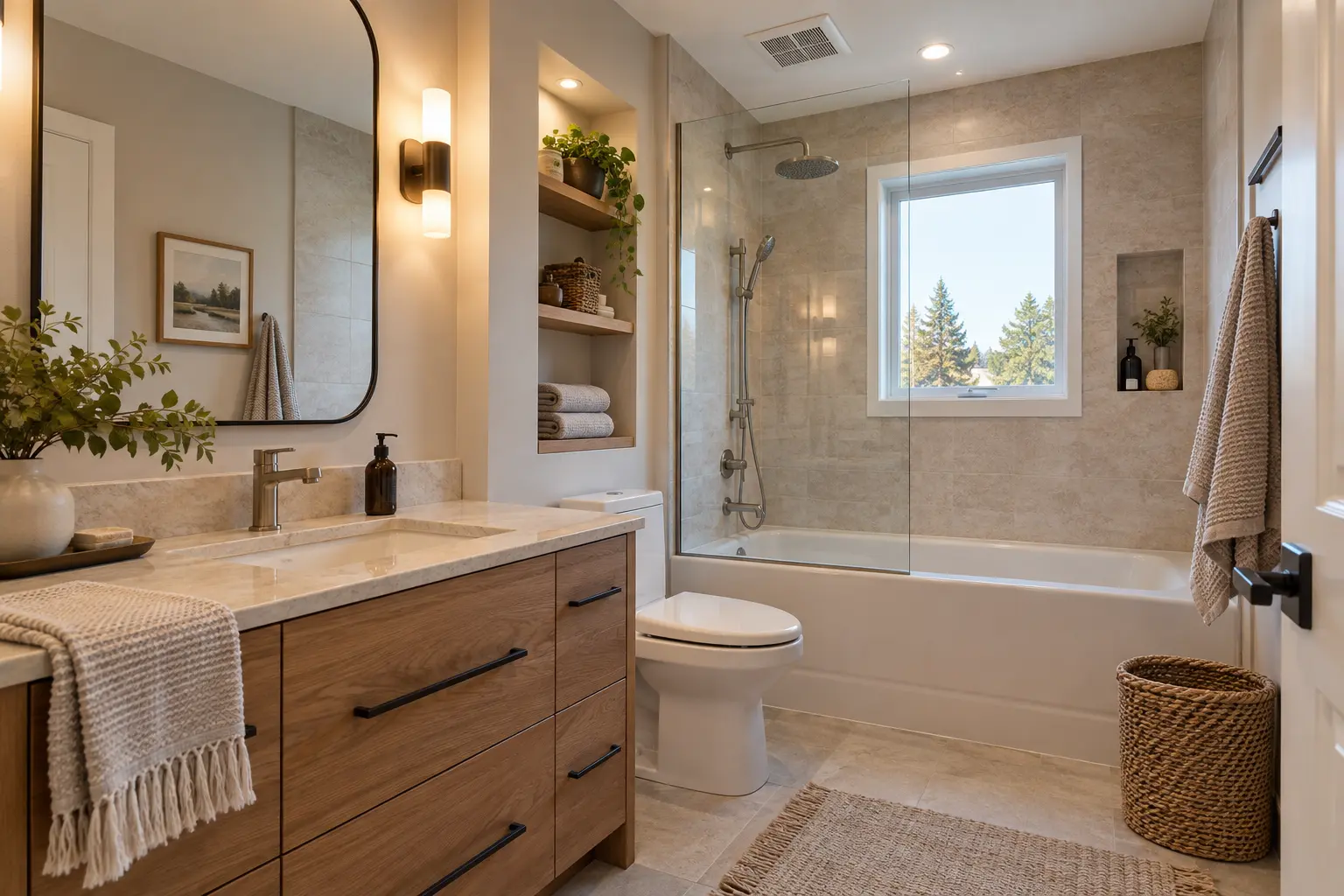
A useful bathroom budget is a scope model, not a single national average. Labour access, plumbing moves, waterproofing, product lead times and hidden conditions shape the final number.
How Much Does a Bathroom Renovation Cost in Canada? is best approached as a sequence of evidence-based decisions rather than a shopping exercise. Begin with the existing home, the people using it and the performance problem that needs to be solved. Then compare complete systems—including preparation, installation, maintenance and future repair—rather than isolated finishes. This guide is written for Canadian conditions while remaining useful wherever climate, durable construction and thoughtful living matter. It offers a framework for speaking with designers, contractors, suppliers and authorities, but it does not replace project-specific structural, electrical, plumbing, mechanical, horticultural or code advice.
Why national averages mislead
Prices vary by city, access, building type, trade availability, permit needs and finish level. Use broad ranges only to test feasibility, then obtain local quotations against a defined scope.
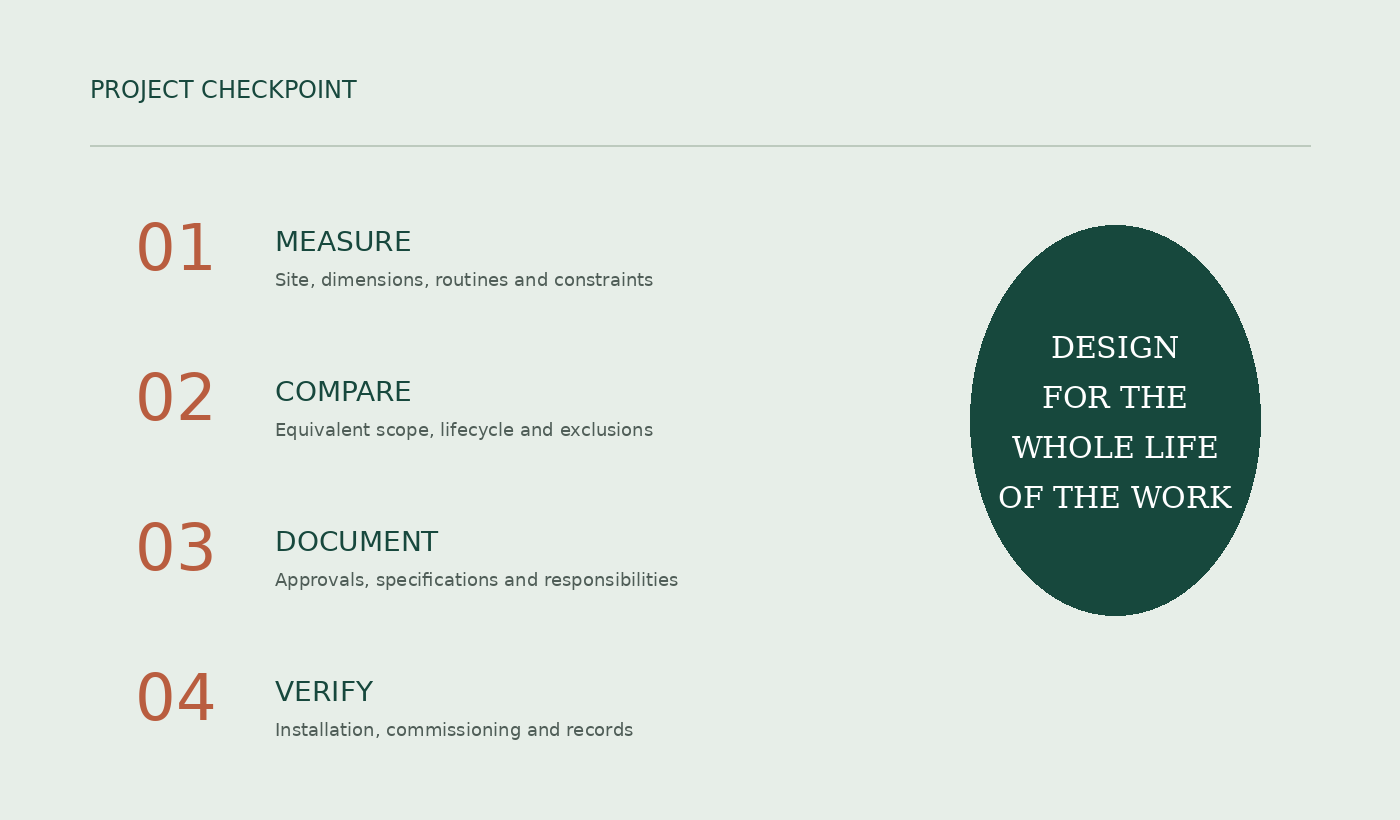
Turn that principle into a written requirement. Note dimensions, existing conditions, household routines, seasonal changes and the result that would count as success. Photographs and simple measured sketches prevent the team from relying on memory. For how much does a bathroom renovation cost in canada, an attractive reference image is useful only after it has been translated into constraints that belong to the actual home.
Compare options on the same page. Include purchase price, preparation, labour, associated trades, operating or cleaning needs, expected service life, repairability and disposal. Ask what is excluded and what assumption could change the price. This normalized comparison exposes proposals that look inexpensive because a necessary component has been omitted.
Mock up the decision at realistic scale whenever possible. Use painter tape, full-size samples, temporary furniture outlines or a small test area, then review it in daylight and after dark. Invite the people who clean, maintain and use the space to test the choice. A brief trial often reveals conflicts that drawings and small samples cannot show.
Before approval, identify who designs the detail, who installs it, who inspects it and who responds if the result falls short. Record model numbers, colours, dimensions and accepted substitutions. The final record should be clear enough that another professional could understand the decision without reconstructing conversations.
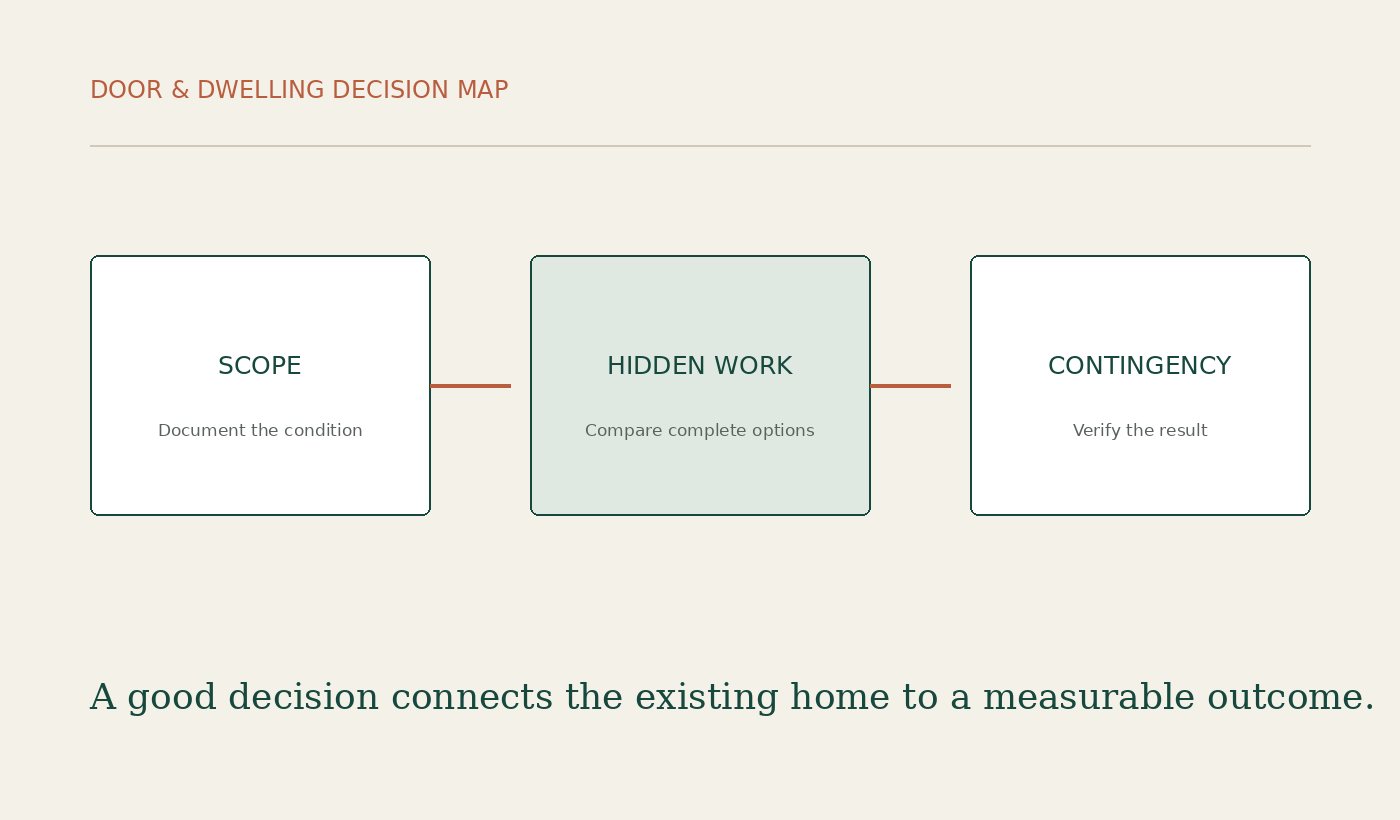
- Record the existing condition before choosing a product or scope.
- Compare equivalent specifications, installation and exclusions.
- Keep samples, drawings, approvals and care instructions in the project file.
Define the project tier
A cosmetic refresh preserves layout and major assemblies. A full renovation renews waterproofing and fixtures; a reconfiguration moves services and often carries the greatest risk premium.
Turn that principle into a written requirement. Note dimensions, existing conditions, household routines, seasonal changes and the result that would count as success. Photographs and simple measured sketches prevent the team from relying on memory. For how much does a bathroom renovation cost in canada, an attractive reference image is useful only after it has been translated into constraints that belong to the actual home.
Compare options on the same page. Include purchase price, preparation, labour, associated trades, operating or cleaning needs, expected service life, repairability and disposal. Ask what is excluded and what assumption could change the price. This normalized comparison exposes proposals that look inexpensive because a necessary component has been omitted.
Mock up the decision at realistic scale whenever possible. Use painter tape, full-size samples, temporary furniture outlines or a small test area, then review it in daylight and after dark. Invite the people who clean, maintain and use the space to test the choice. A brief trial often reveals conflicts that drawings and small samples cannot show.
Before approval, identify who designs the detail, who installs it, who inspects it and who responds if the result falls short. Record model numbers, colours, dimensions and accepted substitutions. The final record should be clear enough that another professional could understand the decision without reconstructing conversations.
- Record the existing condition before choosing a product or scope.
- Compare equivalent specifications, installation and exclusions.
- Keep samples, drawings, approvals and care instructions in the project file.
Where the budget goes
Demolition, carpentry, plumbing, electrical, ventilation, waterproofing, tile labour, fixtures, cabinetry, glass, painting, design, permits and waste should appear separately in the budget.
Turn that principle into a written requirement. Note dimensions, existing conditions, household routines, seasonal changes and the result that would count as success. Photographs and simple measured sketches prevent the team from relying on memory. For how much does a bathroom renovation cost in canada, an attractive reference image is useful only after it has been translated into constraints that belong to the actual home.
Compare options on the same page. Include purchase price, preparation, labour, associated trades, operating or cleaning needs, expected service life, repairability and disposal. Ask what is excluded and what assumption could change the price. This normalized comparison exposes proposals that look inexpensive because a necessary component has been omitted.
Mock up the decision at realistic scale whenever possible. Use painter tape, full-size samples, temporary furniture outlines or a small test area, then review it in daylight and after dark. Invite the people who clean, maintain and use the space to test the choice. A brief trial often reveals conflicts that drawings and small samples cannot show.
Before approval, identify who designs the detail, who installs it, who inspects it and who responds if the result falls short. Record model numbers, colours, dimensions and accepted substitutions. The final record should be clear enough that another professional could understand the decision without reconstructing conversations.
- Record the existing condition before choosing a product or scope.
- Compare equivalent specifications, installation and exclusions.
- Keep samples, drawings, approvals and care instructions in the project file.
Plumbing and electrical cost drivers
Moving drains can require structural work or access below. Panel capacity, dedicated circuits, lighting zones, receptacles and electric heat should be assessed before finishes are ordered.
Turn that principle into a written requirement. Note dimensions, existing conditions, household routines, seasonal changes and the result that would count as success. Photographs and simple measured sketches prevent the team from relying on memory. For how much does a bathroom renovation cost in canada, an attractive reference image is useful only after it has been translated into constraints that belong to the actual home.
Compare options on the same page. Include purchase price, preparation, labour, associated trades, operating or cleaning needs, expected service life, repairability and disposal. Ask what is excluded and what assumption could change the price. This normalized comparison exposes proposals that look inexpensive because a necessary component has been omitted.
Mock up the decision at realistic scale whenever possible. Use painter tape, full-size samples, temporary furniture outlines or a small test area, then review it in daylight and after dark. Invite the people who clean, maintain and use the space to test the choice. A brief trial often reveals conflicts that drawings and small samples cannot show.
Before approval, identify who designs the detail, who installs it, who inspects it and who responds if the result falls short. Record model numbers, colours, dimensions and accepted substitutions. The final record should be clear enough that another professional could understand the decision without reconstructing conversations.
- Record the existing condition before choosing a product or scope.
- Compare equivalent specifications, installation and exclusions.
- Keep samples, drawings, approvals and care instructions in the project file.
Waterproofing is not a finish upgrade
The shower assembly, slopes, transitions, penetrations and flood testing protect the building. Ask which system is specified and who owns responsibility for the complete assembly.
Turn that principle into a written requirement. Note dimensions, existing conditions, household routines, seasonal changes and the result that would count as success. Photographs and simple measured sketches prevent the team from relying on memory. For how much does a bathroom renovation cost in canada, an attractive reference image is useful only after it has been translated into constraints that belong to the actual home.
Compare options on the same page. Include purchase price, preparation, labour, associated trades, operating or cleaning needs, expected service life, repairability and disposal. Ask what is excluded and what assumption could change the price. This normalized comparison exposes proposals that look inexpensive because a necessary component has been omitted.
Mock up the decision at realistic scale whenever possible. Use painter tape, full-size samples, temporary furniture outlines or a small test area, then review it in daylight and after dark. Invite the people who clean, maintain and use the space to test the choice. A brief trial often reveals conflicts that drawings and small samples cannot show.
Before approval, identify who designs the detail, who installs it, who inspects it and who responds if the result falls short. Record model numbers, colours, dimensions and accepted substitutions. The final record should be clear enough that another professional could understand the decision without reconstructing conversations.
- Record the existing condition before choosing a product or scope.
- Compare equivalent specifications, installation and exclusions.
- Keep samples, drawings, approvals and care instructions in the project file.
Product allowances and lead times
An allowance must state tax, delivery and installation assumptions. Confirm tubs, valves, tile, vanities, glass and accessories early enough to avoid schedule gaps or rushed substitutions.
Turn that principle into a written requirement. Note dimensions, existing conditions, household routines, seasonal changes and the result that would count as success. Photographs and simple measured sketches prevent the team from relying on memory. For how much does a bathroom renovation cost in canada, an attractive reference image is useful only after it has been translated into constraints that belong to the actual home.
Compare options on the same page. Include purchase price, preparation, labour, associated trades, operating or cleaning needs, expected service life, repairability and disposal. Ask what is excluded and what assumption could change the price. This normalized comparison exposes proposals that look inexpensive because a necessary component has been omitted.
Mock up the decision at realistic scale whenever possible. Use painter tape, full-size samples, temporary furniture outlines or a small test area, then review it in daylight and after dark. Invite the people who clean, maintain and use the space to test the choice. A brief trial often reveals conflicts that drawings and small samples cannot show.
Before approval, identify who designs the detail, who installs it, who inspects it and who responds if the result falls short. Record model numbers, colours, dimensions and accepted substitutions. The final record should be clear enough that another professional could understand the decision without reconstructing conversations.
- Record the existing condition before choosing a product or scope.
- Compare equivalent specifications, installation and exclusions.
- Keep samples, drawings, approvals and care instructions in the project file.
Contingency and hidden conditions
Older rooms may reveal rot, mould, noncompliant wiring or weak framing. Keep a genuine contingency outside the desired finish budget and define the change-order process.
Turn that principle into a written requirement. Note dimensions, existing conditions, household routines, seasonal changes and the result that would count as success. Photographs and simple measured sketches prevent the team from relying on memory. For how much does a bathroom renovation cost in canada, an attractive reference image is useful only after it has been translated into constraints that belong to the actual home.
Compare options on the same page. Include purchase price, preparation, labour, associated trades, operating or cleaning needs, expected service life, repairability and disposal. Ask what is excluded and what assumption could change the price. This normalized comparison exposes proposals that look inexpensive because a necessary component has been omitted.
Mock up the decision at realistic scale whenever possible. Use painter tape, full-size samples, temporary furniture outlines or a small test area, then review it in daylight and after dark. Invite the people who clean, maintain and use the space to test the choice. A brief trial often reveals conflicts that drawings and small samples cannot show.
Before approval, identify who designs the detail, who installs it, who inspects it and who responds if the result falls short. Record model numbers, colours, dimensions and accepted substitutions. The final record should be clear enough that another professional could understand the decision without reconstructing conversations.
- Record the existing condition before choosing a product or scope.
- Compare equivalent specifications, installation and exclusions.
- Keep samples, drawings, approvals and care instructions in the project file.
Condominiums and occupied homes
Building rules, elevator bookings, work hours, shutoffs and waterproofing documentation add coordination. Temporary bathing arrangements and dust control belong in the plan.
Turn that principle into a written requirement. Note dimensions, existing conditions, household routines, seasonal changes and the result that would count as success. Photographs and simple measured sketches prevent the team from relying on memory. For how much does a bathroom renovation cost in canada, an attractive reference image is useful only after it has been translated into constraints that belong to the actual home.
Compare options on the same page. Include purchase price, preparation, labour, associated trades, operating or cleaning needs, expected service life, repairability and disposal. Ask what is excluded and what assumption could change the price. This normalized comparison exposes proposals that look inexpensive because a necessary component has been omitted.
Mock up the decision at realistic scale whenever possible. Use painter tape, full-size samples, temporary furniture outlines or a small test area, then review it in daylight and after dark. Invite the people who clean, maintain and use the space to test the choice. A brief trial often reveals conflicts that drawings and small samples cannot show.
Before approval, identify who designs the detail, who installs it, who inspects it and who responds if the result falls short. Record model numbers, colours, dimensions and accepted substitutions. The final record should be clear enough that another professional could understand the decision without reconstructing conversations.
- Record the existing condition before choosing a product or scope.
- Compare equivalent specifications, installation and exclusions.
- Keep samples, drawings, approvals and care instructions in the project file.
Compare quotes properly
Normalize scope, quantities, brands, allowances, exclusions, supervision and warranty. The lowest total is not lower if major work is missing.
Turn that principle into a written requirement. Note dimensions, existing conditions, household routines, seasonal changes and the result that would count as success. Photographs and simple measured sketches prevent the team from relying on memory. For how much does a bathroom renovation cost in canada, an attractive reference image is useful only after it has been translated into constraints that belong to the actual home.
Compare options on the same page. Include purchase price, preparation, labour, associated trades, operating or cleaning needs, expected service life, repairability and disposal. Ask what is excluded and what assumption could change the price. This normalized comparison exposes proposals that look inexpensive because a necessary component has been omitted.
Mock up the decision at realistic scale whenever possible. Use painter tape, full-size samples, temporary furniture outlines or a small test area, then review it in daylight and after dark. Invite the people who clean, maintain and use the space to test the choice. A brief trial often reveals conflicts that drawings and small samples cannot show.
Before approval, identify who designs the detail, who installs it, who inspects it and who responds if the result falls short. Record model numbers, colours, dimensions and accepted substitutions. The final record should be clear enough that another professional could understand the decision without reconstructing conversations.
- Record the existing condition before choosing a product or scope.
- Compare equivalent specifications, installation and exclusions.
- Keep samples, drawings, approvals and care instructions in the project file.
Control cost without weakening the room
Keep plumbing locations where practical, choose standard sizes, limit complex tile geometry and spend on assemblies that are difficult to replace. Edit decorative upgrades before hidden performance.
Turn that principle into a written requirement. Note dimensions, existing conditions, household routines, seasonal changes and the result that would count as success. Photographs and simple measured sketches prevent the team from relying on memory. For how much does a bathroom renovation cost in canada, an attractive reference image is useful only after it has been translated into constraints that belong to the actual home.
Compare options on the same page. Include purchase price, preparation, labour, associated trades, operating or cleaning needs, expected service life, repairability and disposal. Ask what is excluded and what assumption could change the price. This normalized comparison exposes proposals that look inexpensive because a necessary component has been omitted.
Mock up the decision at realistic scale whenever possible. Use painter tape, full-size samples, temporary furniture outlines or a small test area, then review it in daylight and after dark. Invite the people who clean, maintain and use the space to test the choice. A brief trial often reveals conflicts that drawings and small samples cannot show.
Before approval, identify who designs the detail, who installs it, who inspects it and who responds if the result falls short. Record model numbers, colours, dimensions and accepted substitutions. The final record should be clear enough that another professional could understand the decision without reconstructing conversations.
- Record the existing condition before choosing a product or scope.
- Compare equivalent specifications, installation and exclusions.
- Keep samples, drawings, approvals and care instructions in the project file.
Sources and further reading
Codes, programs, prices and product specifications can change. Confirm current requirements with the relevant authority and qualified project professionals.
Continue exploring
Related from Door & Dwelling
Post
The Complete Guide to Planning a Kitchen Renovation
A successful kitchen renovation begins long before cabinetry is ordered. Use this sequence to align daily routines, budget, layout, lighting, ventilation and…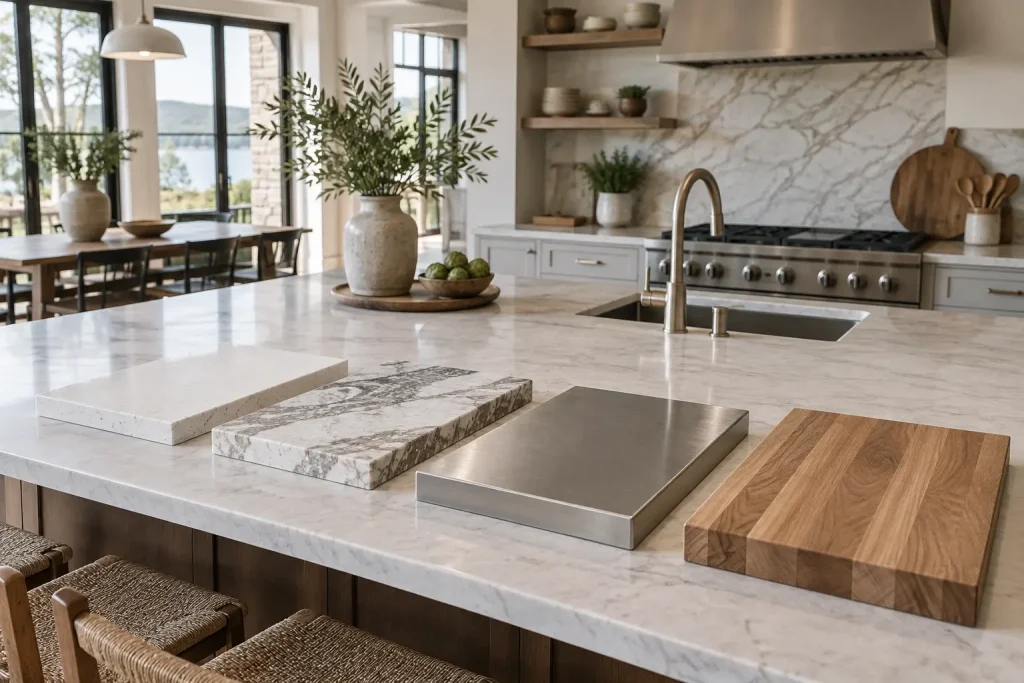
Post
Kitchen Countertop Materials Compared
Countertops are work surfaces first. Compare heat, staining, scratching, seams, repair, maintenance, fabrication and total installed cost before choosing by colour.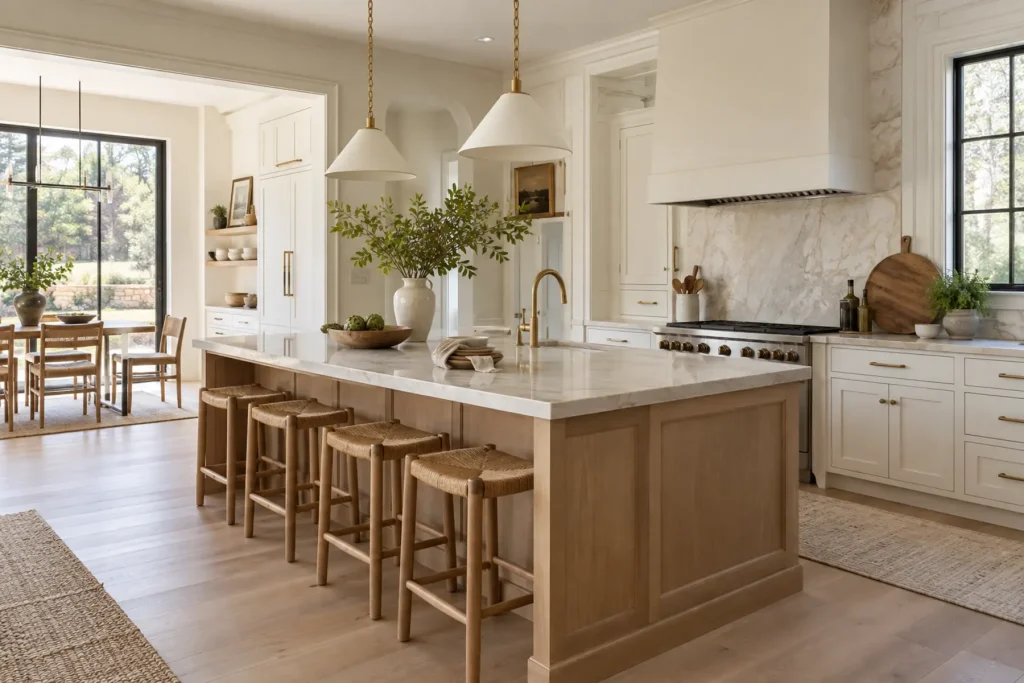
Post
Kitchen Layouts Explained: Island, Peninsula, Galley and L-Shaped
Compare island, peninsula, galley and L-shaped kitchens by circulation, storage, work zones and the room available.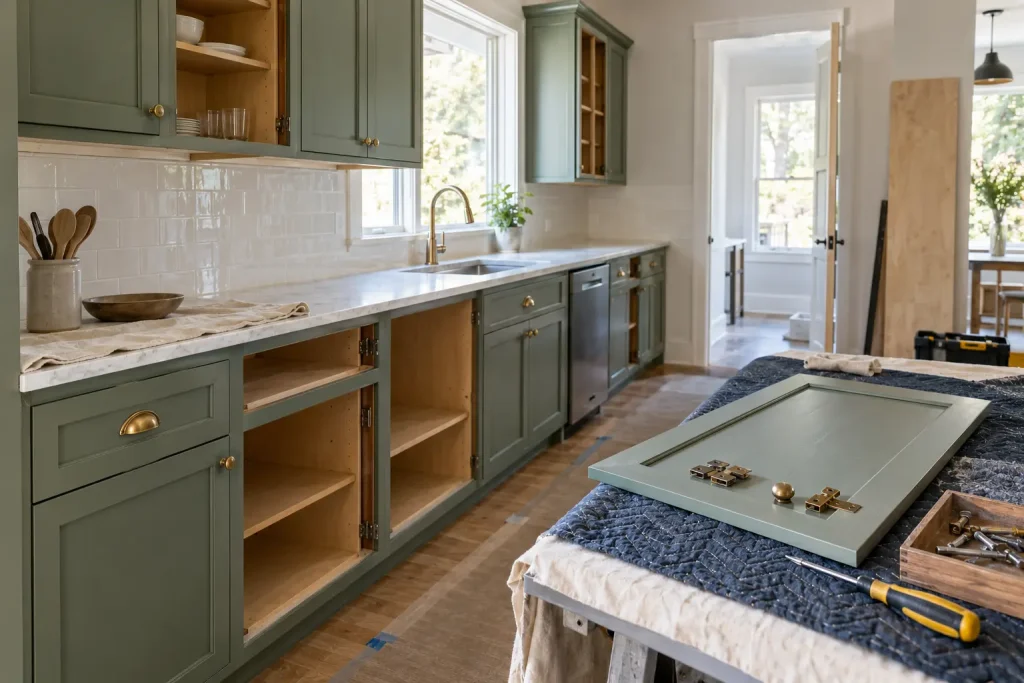
Post
Cabinet Refacing vs. Cabinet Replacement
Refacing can transform sound cabinetry with less disruption, while replacement earns its cost when layout, storage or cabinet condition must fundamentally change.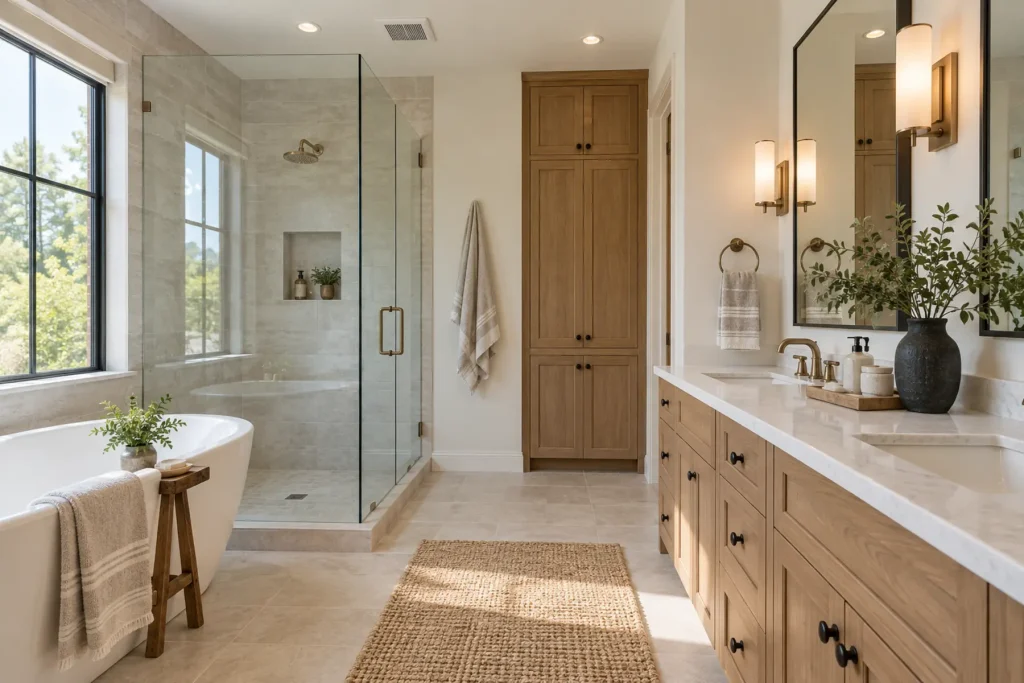
Post
How to Plan Bathroom Lighting, Storage and Ventilation
Coordinate bathroom lighting, storage, ventilation and moisture-resistant construction before finishes are selected.
Post
Planning a Bathroom Renovation in Canada
A moisture-aware planning sequence for layout, ventilation, waterproofing responsibilities, finishes and closeout.Research
Sources & further reading
- National Building Code of Canada 2025 — https://nrc.canada.ca/en/certifications-evaluations-standards/codes-canada/codes-canada-publications/national-building-code-canada-2025
- Canada Mortgage and Housing Corporation: Mould in housing — https://www.cmhc-schl.gc.ca/consumers/home-maintenance-and-renovation/mould