
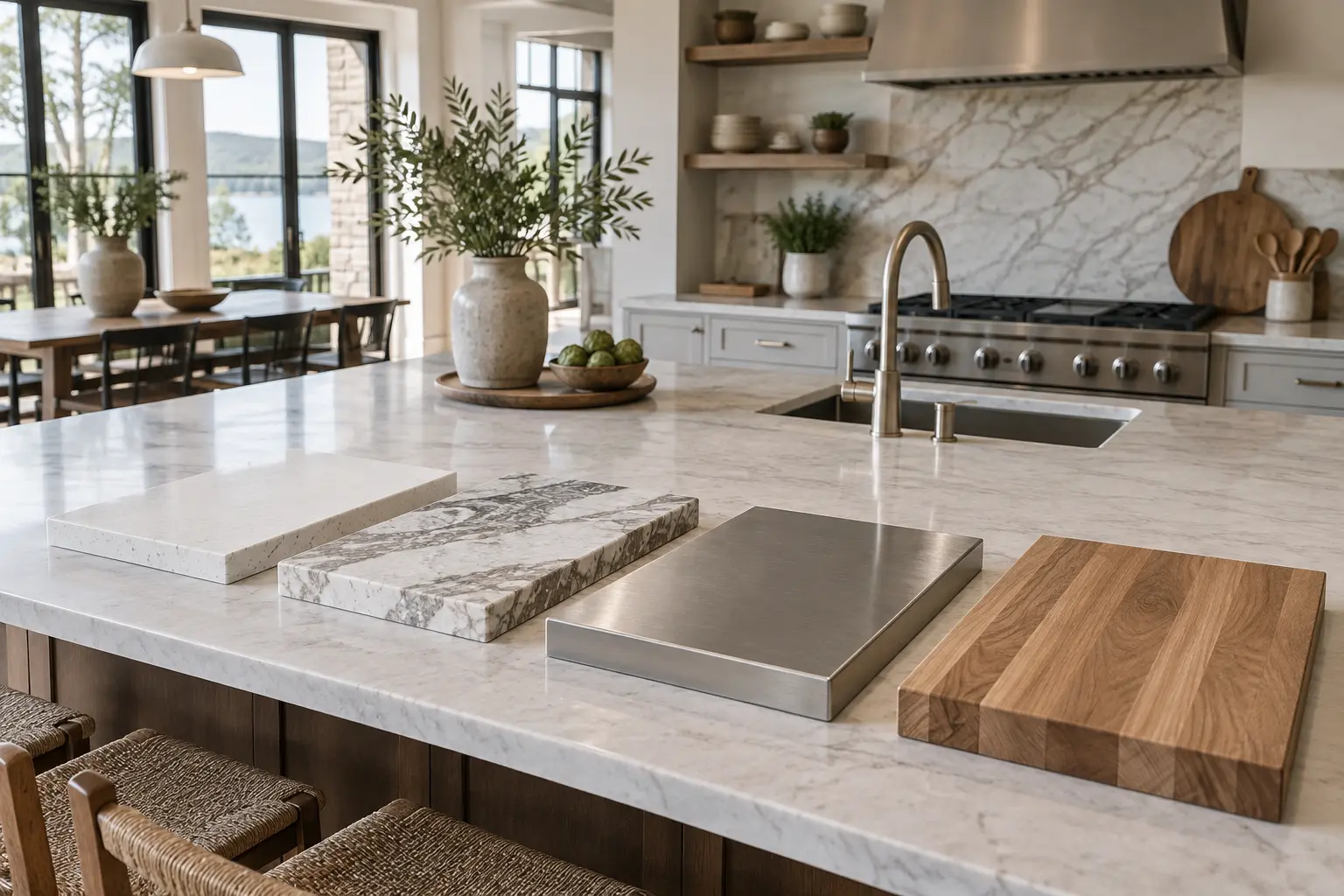
Countertops are work surfaces first. Compare heat, staining, scratching, seams, repair, maintenance, fabrication and total installed cost before choosing by colour.
Kitchen Countertop Materials Compared is best approached as a sequence of evidence-based decisions rather than a shopping exercise. Begin with the existing home, the people using it and the performance problem that needs to be solved. Then compare complete systems—including preparation, installation, maintenance and future repair—rather than isolated finishes. This guide is written for Canadian conditions while remaining useful wherever climate, durable construction and thoughtful living matter. It offers a framework for speaking with designers, contractors, suppliers and authorities, but it does not replace project-specific structural, electrical, plumbing, mechanical, horticultural or code advice.
How to compare surfaces fairly
Use the same criteria for every material: stain, heat, impact, scratching, seams, repair, cleaning, edge options, slab size and installed price. Marketing categories often hide tradeoffs.
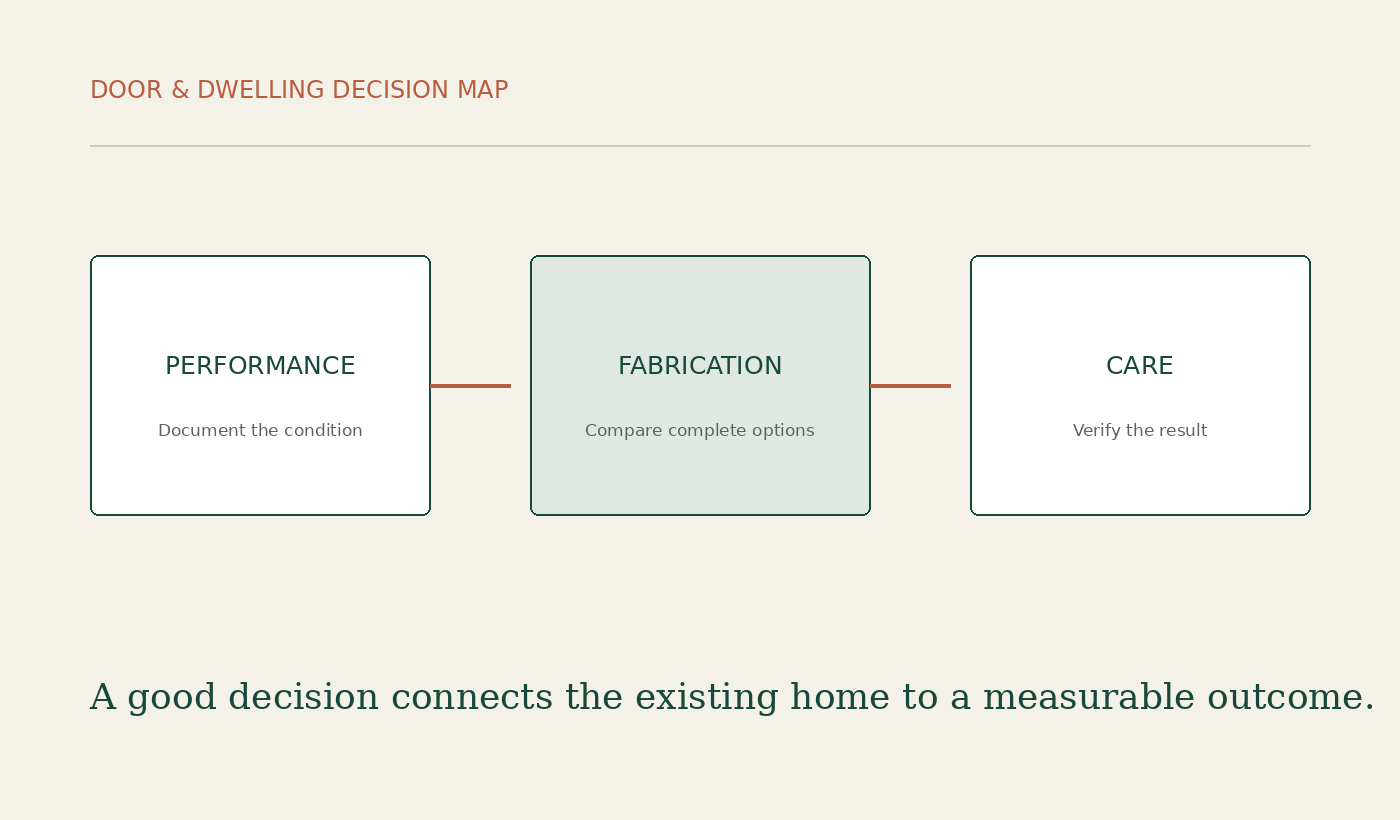
Turn that principle into a written requirement. Note dimensions, existing conditions, household routines, seasonal changes and the result that would count as success. Photographs and simple measured sketches prevent the team from relying on memory. For kitchen countertop materials compared, an attractive reference image is useful only after it has been translated into constraints that belong to the actual home.
Compare options on the same page. Include purchase price, preparation, labour, associated trades, operating or cleaning needs, expected service life, repairability and disposal. Ask what is excluded and what assumption could change the price. This normalized comparison exposes proposals that look inexpensive because a necessary component has been omitted.
Mock up the decision at realistic scale whenever possible. Use painter tape, full-size samples, temporary furniture outlines or a small test area, then review it in daylight and after dark. Invite the people who clean, maintain and use the space to test the choice. A brief trial often reveals conflicts that drawings and small samples cannot show.
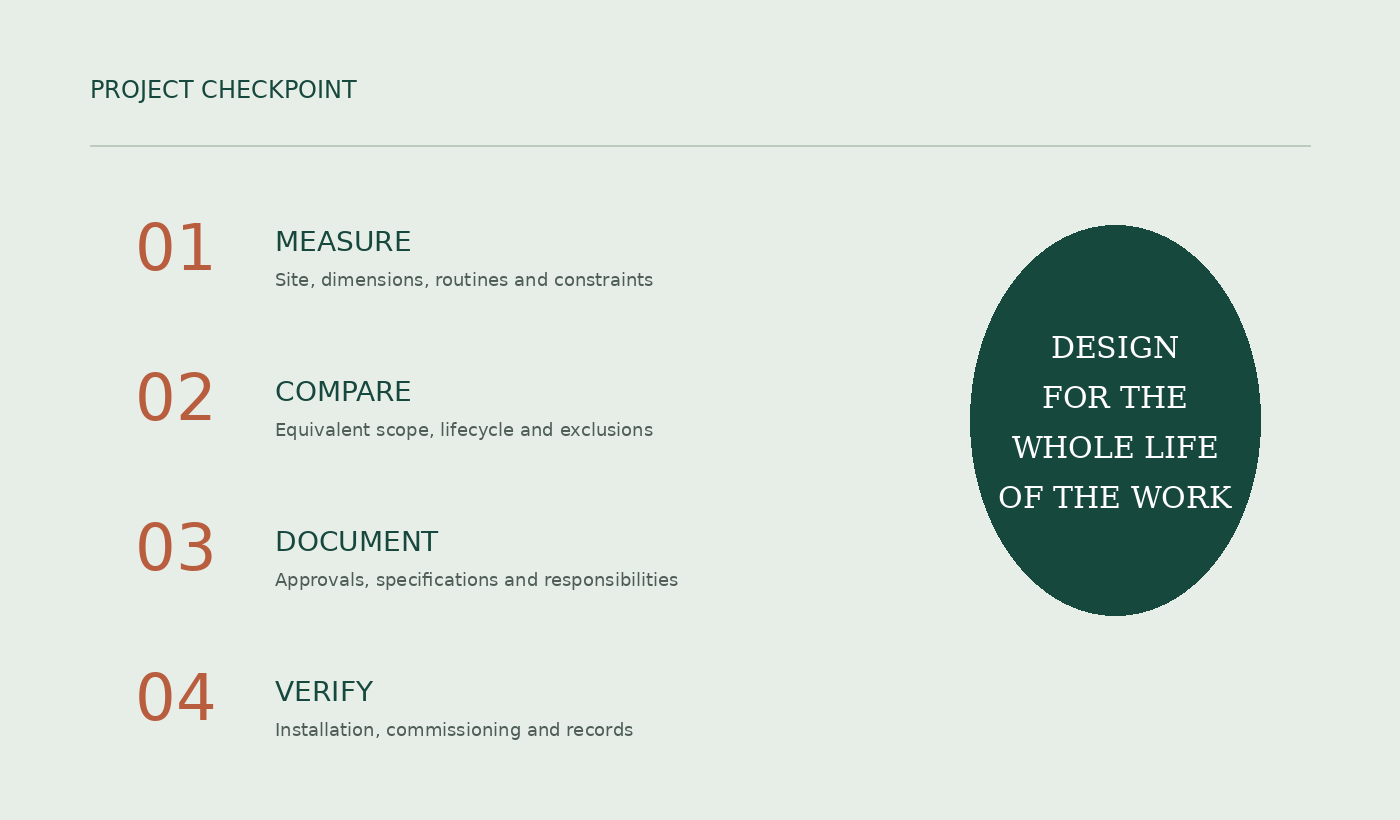
Before approval, identify who designs the detail, who installs it, who inspects it and who responds if the result falls short. Record model numbers, colours, dimensions and accepted substitutions. The final record should be clear enough that another professional could understand the decision without reconstructing conversations.
- Record the existing condition before choosing a product or scope.
- Compare equivalent specifications, installation and exclusions.
- Keep samples, drawings, approvals and care instructions in the project file.
Engineered quartz
Quartz offers consistent colour and low routine maintenance. It still needs protection from high heat, can chip at edges and may show seams depending on layout and pattern.
Turn that principle into a written requirement. Note dimensions, existing conditions, household routines, seasonal changes and the result that would count as success. Photographs and simple measured sketches prevent the team from relying on memory. For kitchen countertop materials compared, an attractive reference image is useful only after it has been translated into constraints that belong to the actual home.
Compare options on the same page. Include purchase price, preparation, labour, associated trades, operating or cleaning needs, expected service life, repairability and disposal. Ask what is excluded and what assumption could change the price. This normalized comparison exposes proposals that look inexpensive because a necessary component has been omitted.
Mock up the decision at realistic scale whenever possible. Use painter tape, full-size samples, temporary furniture outlines or a small test area, then review it in daylight and after dark. Invite the people who clean, maintain and use the space to test the choice. A brief trial often reveals conflicts that drawings and small samples cannot show.
Before approval, identify who designs the detail, who installs it, who inspects it and who responds if the result falls short. Record model numbers, colours, dimensions and accepted substitutions. The final record should be clear enough that another professional could understand the decision without reconstructing conversations.
- Record the existing condition before choosing a product or scope.
- Compare equivalent specifications, installation and exclusions.
- Keep samples, drawings, approvals and care instructions in the project file.
Granite and quartzite
Natural stones can be durable and distinctive, but performance varies by slab and geological composition. Inspect the actual slab and ask about sealing, fissures and resin treatment.
Turn that principle into a written requirement. Note dimensions, existing conditions, household routines, seasonal changes and the result that would count as success. Photographs and simple measured sketches prevent the team from relying on memory. For kitchen countertop materials compared, an attractive reference image is useful only after it has been translated into constraints that belong to the actual home.
Compare options on the same page. Include purchase price, preparation, labour, associated trades, operating or cleaning needs, expected service life, repairability and disposal. Ask what is excluded and what assumption could change the price. This normalized comparison exposes proposals that look inexpensive because a necessary component has been omitted.
Mock up the decision at realistic scale whenever possible. Use painter tape, full-size samples, temporary furniture outlines or a small test area, then review it in daylight and after dark. Invite the people who clean, maintain and use the space to test the choice. A brief trial often reveals conflicts that drawings and small samples cannot show.
Before approval, identify who designs the detail, who installs it, who inspects it and who responds if the result falls short. Record model numbers, colours, dimensions and accepted substitutions. The final record should be clear enough that another professional could understand the decision without reconstructing conversations.
- Record the existing condition before choosing a product or scope.
- Compare equivalent specifications, installation and exclusions.
- Keep samples, drawings, approvals and care instructions in the project file.
Marble and soapstone
These surfaces develop patina. Marble can etch from acids; soapstone scratches but is often repairable. They suit owners who value aging honestly more than a permanently pristine finish.
Turn that principle into a written requirement. Note dimensions, existing conditions, household routines, seasonal changes and the result that would count as success. Photographs and simple measured sketches prevent the team from relying on memory. For kitchen countertop materials compared, an attractive reference image is useful only after it has been translated into constraints that belong to the actual home.
Compare options on the same page. Include purchase price, preparation, labour, associated trades, operating or cleaning needs, expected service life, repairability and disposal. Ask what is excluded and what assumption could change the price. This normalized comparison exposes proposals that look inexpensive because a necessary component has been omitted.
Mock up the decision at realistic scale whenever possible. Use painter tape, full-size samples, temporary furniture outlines or a small test area, then review it in daylight and after dark. Invite the people who clean, maintain and use the space to test the choice. A brief trial often reveals conflicts that drawings and small samples cannot show.
Before approval, identify who designs the detail, who installs it, who inspects it and who responds if the result falls short. Record model numbers, colours, dimensions and accepted substitutions. The final record should be clear enough that another professional could understand the decision without reconstructing conversations.
- Record the existing condition before choosing a product or scope.
- Compare equivalent specifications, installation and exclusions.
- Keep samples, drawings, approvals and care instructions in the project file.
Porcelain and sintered surfaces
Large-format porcelain resists heat and ultraviolet light, while edges and fabrication require specialized skill. Printed patterns may not continue through the body at exposed edges.
Turn that principle into a written requirement. Note dimensions, existing conditions, household routines, seasonal changes and the result that would count as success. Photographs and simple measured sketches prevent the team from relying on memory. For kitchen countertop materials compared, an attractive reference image is useful only after it has been translated into constraints that belong to the actual home.
Compare options on the same page. Include purchase price, preparation, labour, associated trades, operating or cleaning needs, expected service life, repairability and disposal. Ask what is excluded and what assumption could change the price. This normalized comparison exposes proposals that look inexpensive because a necessary component has been omitted.
Mock up the decision at realistic scale whenever possible. Use painter tape, full-size samples, temporary furniture outlines or a small test area, then review it in daylight and after dark. Invite the people who clean, maintain and use the space to test the choice. A brief trial often reveals conflicts that drawings and small samples cannot show.
Before approval, identify who designs the detail, who installs it, who inspects it and who responds if the result falls short. Record model numbers, colours, dimensions and accepted substitutions. The final record should be clear enough that another professional could understand the decision without reconstructing conversations.
- Record the existing condition before choosing a product or scope.
- Compare equivalent specifications, installation and exclusions.
- Keep samples, drawings, approvals and care instructions in the project file.
Solid surface and acrylic materials
Solid surface can create integrated sinks and inconspicuous seams. It scratches more readily than stone but can often be renewed by a trained fabricator.
Turn that principle into a written requirement. Note dimensions, existing conditions, household routines, seasonal changes and the result that would count as success. Photographs and simple measured sketches prevent the team from relying on memory. For kitchen countertop materials compared, an attractive reference image is useful only after it has been translated into constraints that belong to the actual home.
Compare options on the same page. Include purchase price, preparation, labour, associated trades, operating or cleaning needs, expected service life, repairability and disposal. Ask what is excluded and what assumption could change the price. This normalized comparison exposes proposals that look inexpensive because a necessary component has been omitted.
Mock up the decision at realistic scale whenever possible. Use painter tape, full-size samples, temporary furniture outlines or a small test area, then review it in daylight and after dark. Invite the people who clean, maintain and use the space to test the choice. A brief trial often reveals conflicts that drawings and small samples cannot show.
Before approval, identify who designs the detail, who installs it, who inspects it and who responds if the result falls short. Record model numbers, colours, dimensions and accepted substitutions. The final record should be clear enough that another professional could understand the decision without reconstructing conversations.
- Record the existing condition before choosing a product or scope.
- Compare equivalent specifications, installation and exclusions.
- Keep samples, drawings, approvals and care instructions in the project file.
Laminate
Modern laminate is affordable, light and visually varied. Protect seams and substrate from water, use trivets and avoid treating a lower price as permission for poor fabrication.
Turn that principle into a written requirement. Note dimensions, existing conditions, household routines, seasonal changes and the result that would count as success. Photographs and simple measured sketches prevent the team from relying on memory. For kitchen countertop materials compared, an attractive reference image is useful only after it has been translated into constraints that belong to the actual home.
Compare options on the same page. Include purchase price, preparation, labour, associated trades, operating or cleaning needs, expected service life, repairability and disposal. Ask what is excluded and what assumption could change the price. This normalized comparison exposes proposals that look inexpensive because a necessary component has been omitted.
Mock up the decision at realistic scale whenever possible. Use painter tape, full-size samples, temporary furniture outlines or a small test area, then review it in daylight and after dark. Invite the people who clean, maintain and use the space to test the choice. A brief trial often reveals conflicts that drawings and small samples cannot show.
Before approval, identify who designs the detail, who installs it, who inspects it and who responds if the result falls short. Record model numbers, colours, dimensions and accepted substitutions. The final record should be clear enough that another professional could understand the decision without reconstructing conversations.
- Record the existing condition before choosing a product or scope.
- Compare equivalent specifications, installation and exclusions.
- Keep samples, drawings, approvals and care instructions in the project file.
Wood and stainless steel
Wood adds warmth and can be repaired but needs a clear maintenance plan. Stainless steel is hygienic and heat tolerant, while scratches and fingerprints become part of its working character.
Turn that principle into a written requirement. Note dimensions, existing conditions, household routines, seasonal changes and the result that would count as success. Photographs and simple measured sketches prevent the team from relying on memory. For kitchen countertop materials compared, an attractive reference image is useful only after it has been translated into constraints that belong to the actual home.
Compare options on the same page. Include purchase price, preparation, labour, associated trades, operating or cleaning needs, expected service life, repairability and disposal. Ask what is excluded and what assumption could change the price. This normalized comparison exposes proposals that look inexpensive because a necessary component has been omitted.
Mock up the decision at realistic scale whenever possible. Use painter tape, full-size samples, temporary furniture outlines or a small test area, then review it in daylight and after dark. Invite the people who clean, maintain and use the space to test the choice. A brief trial often reveals conflicts that drawings and small samples cannot show.
Before approval, identify who designs the detail, who installs it, who inspects it and who responds if the result falls short. Record model numbers, colours, dimensions and accepted substitutions. The final record should be clear enough that another professional could understand the decision without reconstructing conversations.
- Record the existing condition before choosing a product or scope.
- Compare equivalent specifications, installation and exclusions.
- Keep samples, drawings, approvals and care instructions in the project file.
Layout, seams, sinks and edges
Finalize appliance, faucet and sink specifications before templating. Overhang support, seam placement, corner radius and edge profile affect both safety and appearance.
Turn that principle into a written requirement. Note dimensions, existing conditions, household routines, seasonal changes and the result that would count as success. Photographs and simple measured sketches prevent the team from relying on memory. For kitchen countertop materials compared, an attractive reference image is useful only after it has been translated into constraints that belong to the actual home.
Compare options on the same page. Include purchase price, preparation, labour, associated trades, operating or cleaning needs, expected service life, repairability and disposal. Ask what is excluded and what assumption could change the price. This normalized comparison exposes proposals that look inexpensive because a necessary component has been omitted.
Mock up the decision at realistic scale whenever possible. Use painter tape, full-size samples, temporary furniture outlines or a small test area, then review it in daylight and after dark. Invite the people who clean, maintain and use the space to test the choice. A brief trial often reveals conflicts that drawings and small samples cannot show.
Before approval, identify who designs the detail, who installs it, who inspects it and who responds if the result falls short. Record model numbers, colours, dimensions and accepted substitutions. The final record should be clear enough that another professional could understand the decision without reconstructing conversations.
- Record the existing condition before choosing a product or scope.
- Compare equivalent specifications, installation and exclusions.
- Keep samples, drawings, approvals and care instructions in the project file.
Make the final selection
Borrow or buy samples, test common spills with permission, inspect full slabs and obtain an installed quotation that names cut-outs, supports, removal and plumbing exclusions.
Turn that principle into a written requirement. Note dimensions, existing conditions, household routines, seasonal changes and the result that would count as success. Photographs and simple measured sketches prevent the team from relying on memory. For kitchen countertop materials compared, an attractive reference image is useful only after it has been translated into constraints that belong to the actual home.
Compare options on the same page. Include purchase price, preparation, labour, associated trades, operating or cleaning needs, expected service life, repairability and disposal. Ask what is excluded and what assumption could change the price. This normalized comparison exposes proposals that look inexpensive because a necessary component has been omitted.
Mock up the decision at realistic scale whenever possible. Use painter tape, full-size samples, temporary furniture outlines or a small test area, then review it in daylight and after dark. Invite the people who clean, maintain and use the space to test the choice. A brief trial often reveals conflicts that drawings and small samples cannot show.
Before approval, identify who designs the detail, who installs it, who inspects it and who responds if the result falls short. Record model numbers, colours, dimensions and accepted substitutions. The final record should be clear enough that another professional could understand the decision without reconstructing conversations.
- Record the existing condition before choosing a product or scope.
- Compare equivalent specifications, installation and exclusions.
- Keep samples, drawings, approvals and care instructions in the project file.
Sources and further reading
- Natural Stone Institute: Technical resources
- National Kitchen & Bath Association: Planning resources
Codes, programs, prices and product specifications can change. Confirm current requirements with the relevant authority and qualified project professionals.
Continue exploring
Related from Door & Dwelling
Post
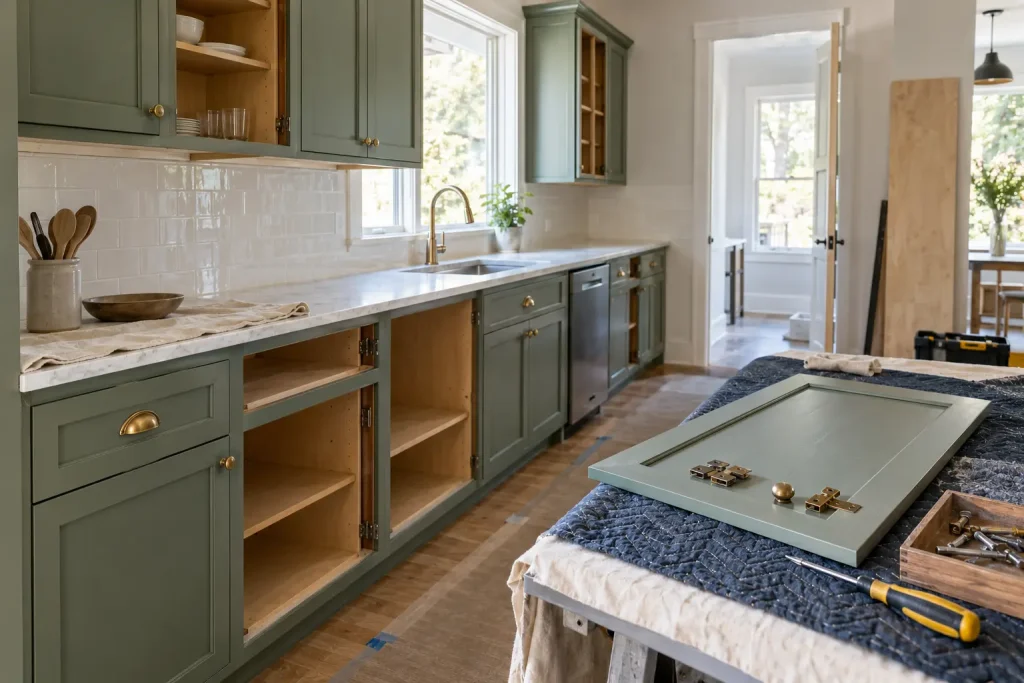
Cabinet Refacing vs. Cabinet Replacement
Refacing can transform sound cabinetry with less disruption, while replacement earns its cost when layout, storage or cabinet condition must fundamentally change.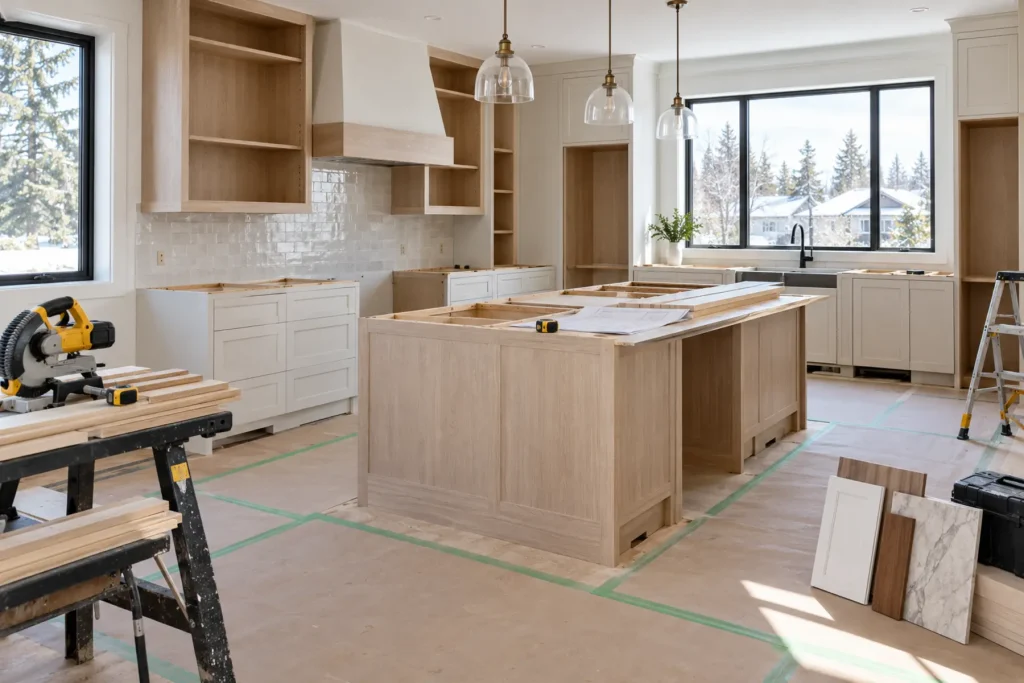
Post
The Complete Guide to Planning a Kitchen Renovation
A successful kitchen renovation begins long before cabinetry is ordered. Use this sequence to align daily routines, budget, layout, lighting, ventilation and…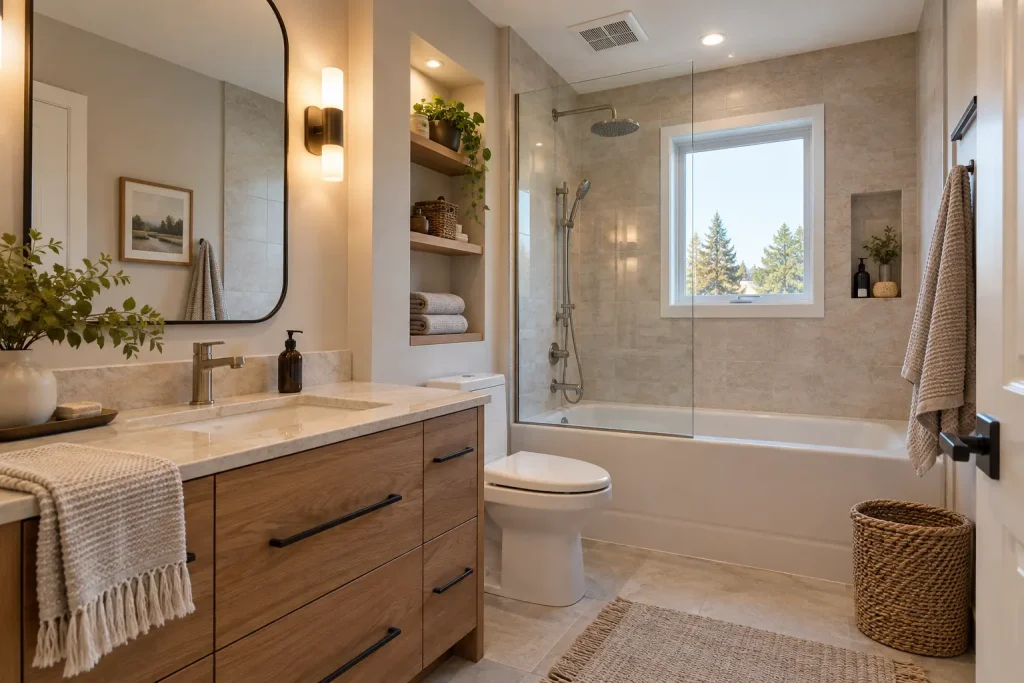
Post
How Much Does a Bathroom Renovation Cost in Canada?
A useful bathroom budget is a scope model, not a single national average. Labour access, plumbing moves, waterproofing, product lead times and…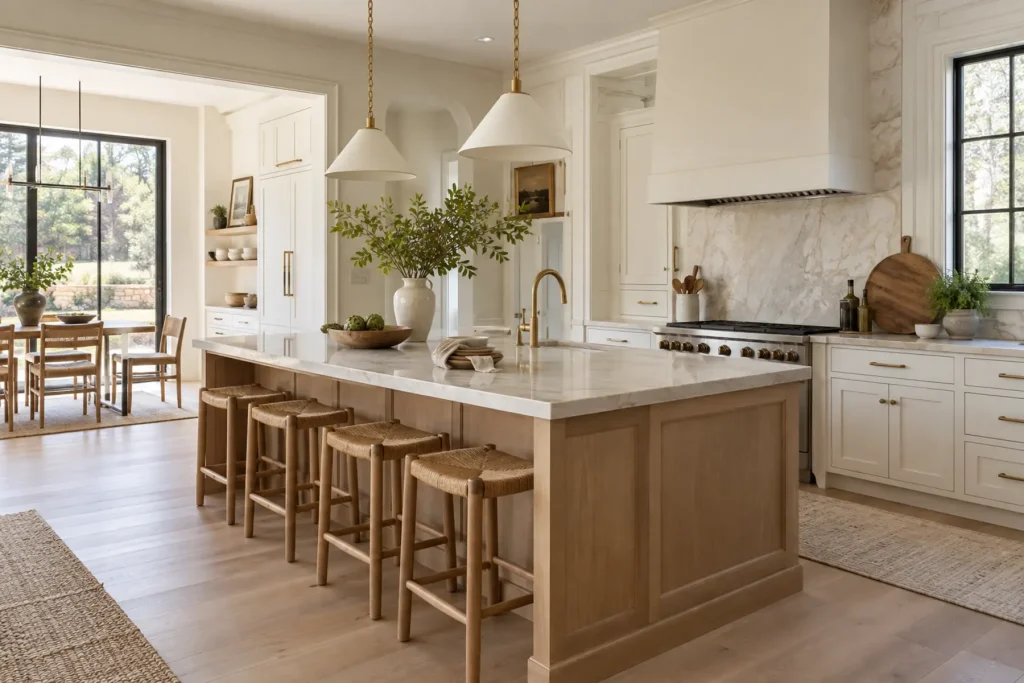
Post
Kitchen Layouts Explained: Island, Peninsula, Galley and L-Shaped
Compare island, peninsula, galley and L-shaped kitchens by circulation, storage, work zones and the room available.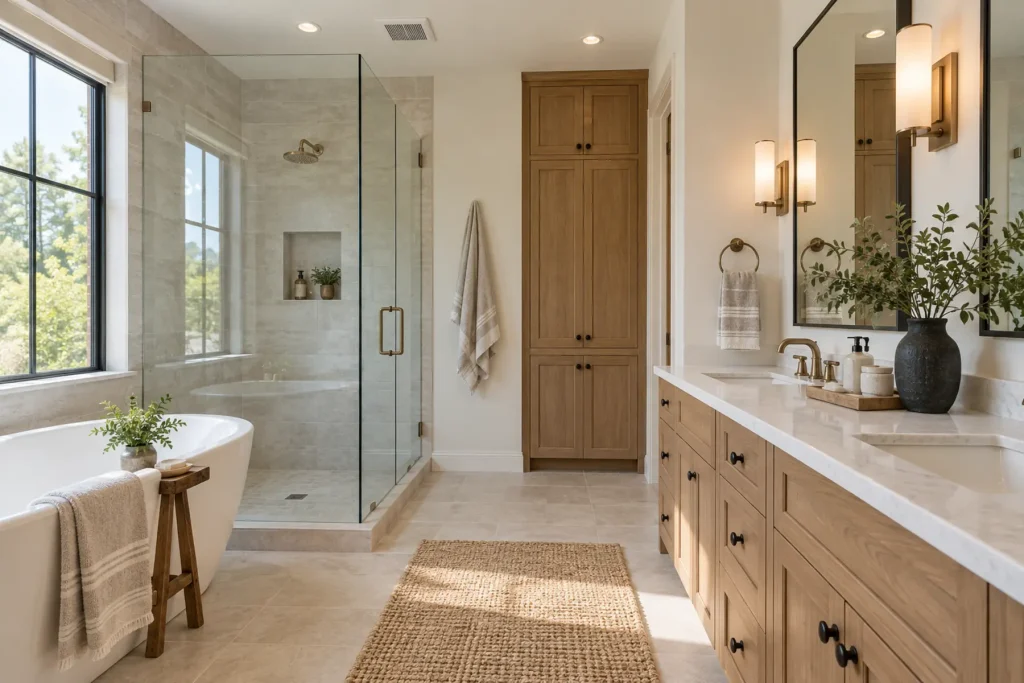
Post
How to Plan Bathroom Lighting, Storage and Ventilation
Coordinate bathroom lighting, storage, ventilation and moisture-resistant construction before finishes are selected.
Post
How to Choose Paint Colours for an Entire Home
Build a connected whole-home paint palette by considering light, sight lines, fixed materials and the purpose of each room.Research
Sources & further reading
- Natural Stone Institute: Technical resources — https://www.naturalstoneinstitute.org/
- National Kitchen & Bath Association: Planning resources — https://nkba.org/