

A window is glass, frame, installation and connection to the wall. Performance depends on all four—and on choosing the right product for the Canadian climate zone and exposure.
Window Replacement in Canada: What Homeowners Should Know is best approached as a sequence of evidence-based decisions rather than a shopping exercise. Begin with the existing home, the people using it and the performance problem that needs to be solved. Then compare complete systems—including preparation, installation, maintenance and future repair—rather than isolated finishes. This guide is written for Canadian conditions while remaining useful wherever climate, durable construction and thoughtful living matter. It offers a framework for speaking with designers, contractors, suppliers and authorities, but it does not replace project-specific structural, electrical, plumbing, mechanical, horticultural or code advice.
Decide whether replacement is necessary
Air leakage, rot, failed seals, difficult operation and water entry have different causes. Some problems are repairable; others indicate installation or wall-interface failure rather than the window unit alone.
Turn that principle into a written requirement. Note dimensions, existing conditions, household routines, seasonal changes and the result that would count as success. Photographs and simple measured sketches prevent the team from relying on memory. For window replacement in canada, an attractive reference image is useful only after it has been translated into constraints that belong to the actual home.
Compare options on the same page. Include purchase price, preparation, labour, associated trades, operating or cleaning needs, expected service life, repairability and disposal. Ask what is excluded and what assumption could change the price. This normalized comparison exposes proposals that look inexpensive because a necessary component has been omitted.
Mock up the decision at realistic scale whenever possible. Use painter tape, full-size samples, temporary furniture outlines or a small test area, then review it in daylight and after dark. Invite the people who clean, maintain and use the space to test the choice. A brief trial often reveals conflicts that drawings and small samples cannot show.
Before approval, identify who designs the detail, who installs it, who inspects it and who responds if the result falls short. Record model numbers, colours, dimensions and accepted substitutions. The final record should be clear enough that another professional could understand the decision without reconstructing conversations.
- Record the existing condition before choosing a product or scope.
- Compare equivalent specifications, installation and exclusions.
- Keep samples, drawings, approvals and care instructions in the project file.
Full-frame versus insert replacement
Insert units retain the old frame and reduce disturbance but also reduce glass area and cannot correct every hidden defect. Full-frame work exposes the opening and allows the wall connection to be rebuilt.
Turn that principle into a written requirement. Note dimensions, existing conditions, household routines, seasonal changes and the result that would count as success. Photographs and simple measured sketches prevent the team from relying on memory. For window replacement in canada, an attractive reference image is useful only after it has been translated into constraints that belong to the actual home.
Compare options on the same page. Include purchase price, preparation, labour, associated trades, operating or cleaning needs, expected service life, repairability and disposal. Ask what is excluded and what assumption could change the price. This normalized comparison exposes proposals that look inexpensive because a necessary component has been omitted.
Mock up the decision at realistic scale whenever possible. Use painter tape, full-size samples, temporary furniture outlines or a small test area, then review it in daylight and after dark. Invite the people who clean, maintain and use the space to test the choice. A brief trial often reveals conflicts that drawings and small samples cannot show.
Before approval, identify who designs the detail, who installs it, who inspects it and who responds if the result falls short. Record model numbers, colours, dimensions and accepted substitutions. The final record should be clear enough that another professional could understand the decision without reconstructing conversations.
- Record the existing condition before choosing a product or scope.
- Compare equivalent specifications, installation and exclusions.
- Keep samples, drawings, approvals and care instructions in the project file.
Read Canadian performance labels
ENERGY STAR certification, climate-zone suitability and product performance values make comparisons more useful than pane count. Confirm the exact model and configuration, not a family brochure.
Turn that principle into a written requirement. Note dimensions, existing conditions, household routines, seasonal changes and the result that would count as success. Photographs and simple measured sketches prevent the team from relying on memory. For window replacement in canada, an attractive reference image is useful only after it has been translated into constraints that belong to the actual home.
Compare options on the same page. Include purchase price, preparation, labour, associated trades, operating or cleaning needs, expected service life, repairability and disposal. Ask what is excluded and what assumption could change the price. This normalized comparison exposes proposals that look inexpensive because a necessary component has been omitted.
Mock up the decision at realistic scale whenever possible. Use painter tape, full-size samples, temporary furniture outlines or a small test area, then review it in daylight and after dark. Invite the people who clean, maintain and use the space to test the choice. A brief trial often reveals conflicts that drawings and small samples cannot show.
Before approval, identify who designs the detail, who installs it, who inspects it and who responds if the result falls short. Record model numbers, colours, dimensions and accepted substitutions. The final record should be clear enough that another professional could understand the decision without reconstructing conversations.
- Record the existing condition before choosing a product or scope.
- Compare equivalent specifications, installation and exclusions.
- Keep samples, drawings, approvals and care instructions in the project file.
Understand U-factor, solar gain and air leakage
Lower heat transfer can improve winter comfort, while solar heat gain may help or overheat depending on orientation and shading. Air leakage and installation quality affect real comfort.
Turn that principle into a written requirement. Note dimensions, existing conditions, household routines, seasonal changes and the result that would count as success. Photographs and simple measured sketches prevent the team from relying on memory. For window replacement in canada, an attractive reference image is useful only after it has been translated into constraints that belong to the actual home.
Compare options on the same page. Include purchase price, preparation, labour, associated trades, operating or cleaning needs, expected service life, repairability and disposal. Ask what is excluded and what assumption could change the price. This normalized comparison exposes proposals that look inexpensive because a necessary component has been omitted.
Mock up the decision at realistic scale whenever possible. Use painter tape, full-size samples, temporary furniture outlines or a small test area, then review it in daylight and after dark. Invite the people who clean, maintain and use the space to test the choice. A brief trial often reveals conflicts that drawings and small samples cannot show.
Before approval, identify who designs the detail, who installs it, who inspects it and who responds if the result falls short. Record model numbers, colours, dimensions and accepted substitutions. The final record should be clear enough that another professional could understand the decision without reconstructing conversations.
- Record the existing condition before choosing a product or scope.
- Compare equivalent specifications, installation and exclusions.
- Keep samples, drawings, approvals and care instructions in the project file.
Choose frames and glazing for the exposure
Fibreglass, vinyl, wood, aluminum-clad wood and other systems have different expansion, maintenance and sightlines. Glazing coatings and spacers should respond to orientation and climate.
Turn that principle into a written requirement. Note dimensions, existing conditions, household routines, seasonal changes and the result that would count as success. Photographs and simple measured sketches prevent the team from relying on memory. For window replacement in canada, an attractive reference image is useful only after it has been translated into constraints that belong to the actual home.
Compare options on the same page. Include purchase price, preparation, labour, associated trades, operating or cleaning needs, expected service life, repairability and disposal. Ask what is excluded and what assumption could change the price. This normalized comparison exposes proposals that look inexpensive because a necessary component has been omitted.
Mock up the decision at realistic scale whenever possible. Use painter tape, full-size samples, temporary furniture outlines or a small test area, then review it in daylight and after dark. Invite the people who clean, maintain and use the space to test the choice. A brief trial often reveals conflicts that drawings and small samples cannot show.
Before approval, identify who designs the detail, who installs it, who inspects it and who responds if the result falls short. Record model numbers, colours, dimensions and accepted substitutions. The final record should be clear enough that another professional could understand the decision without reconstructing conversations.
- Record the existing condition before choosing a product or scope.
- Compare equivalent specifications, installation and exclusions.
- Keep samples, drawings, approvals and care instructions in the project file.
Condensation is a building clue
Interior condensation reflects glass temperature, humidity, air movement and exterior conditions. New tighter windows may reveal a ventilation or humidity issue that old leakage masked.
Turn that principle into a written requirement. Note dimensions, existing conditions, household routines, seasonal changes and the result that would count as success. Photographs and simple measured sketches prevent the team from relying on memory. For window replacement in canada, an attractive reference image is useful only after it has been translated into constraints that belong to the actual home.
Compare options on the same page. Include purchase price, preparation, labour, associated trades, operating or cleaning needs, expected service life, repairability and disposal. Ask what is excluded and what assumption could change the price. This normalized comparison exposes proposals that look inexpensive because a necessary component has been omitted.
Mock up the decision at realistic scale whenever possible. Use painter tape, full-size samples, temporary furniture outlines or a small test area, then review it in daylight and after dark. Invite the people who clean, maintain and use the space to test the choice. A brief trial often reveals conflicts that drawings and small samples cannot show.
Before approval, identify who designs the detail, who installs it, who inspects it and who responds if the result falls short. Record model numbers, colours, dimensions and accepted substitutions. The final record should be clear enough that another professional could understand the decision without reconstructing conversations.
- Record the existing condition before choosing a product or scope.
- Compare equivalent specifications, installation and exclusions.
- Keep samples, drawings, approvals and care instructions in the project file.
Installation and water management
Flashing, sill support, drainage, air sealing and interior/exterior transitions must connect the unit to the wall. Ask installers to describe the opening detail rather than simply naming foam or caulk.
Turn that principle into a written requirement. Note dimensions, existing conditions, household routines, seasonal changes and the result that would count as success. Photographs and simple measured sketches prevent the team from relying on memory. For window replacement in canada, an attractive reference image is useful only after it has been translated into constraints that belong to the actual home.
Compare options on the same page. Include purchase price, preparation, labour, associated trades, operating or cleaning needs, expected service life, repairability and disposal. Ask what is excluded and what assumption could change the price. This normalized comparison exposes proposals that look inexpensive because a necessary component has been omitted.
Mock up the decision at realistic scale whenever possible. Use painter tape, full-size samples, temporary furniture outlines or a small test area, then review it in daylight and after dark. Invite the people who clean, maintain and use the space to test the choice. A brief trial often reveals conflicts that drawings and small samples cannot show.
Before approval, identify who designs the detail, who installs it, who inspects it and who responds if the result falls short. Record model numbers, colours, dimensions and accepted substitutions. The final record should be clear enough that another professional could understand the decision without reconstructing conversations.
- Record the existing condition before choosing a product or scope.
- Compare equivalent specifications, installation and exclusions.
- Keep samples, drawings, approvals and care instructions in the project file.
Heritage, egress and safety glass
Protected façades, bedroom escape, guards and hazardous locations can limit choices. Check local requirements before ordering custom units.
Turn that principle into a written requirement. Note dimensions, existing conditions, household routines, seasonal changes and the result that would count as success. Photographs and simple measured sketches prevent the team from relying on memory. For window replacement in canada, an attractive reference image is useful only after it has been translated into constraints that belong to the actual home.
Compare options on the same page. Include purchase price, preparation, labour, associated trades, operating or cleaning needs, expected service life, repairability and disposal. Ask what is excluded and what assumption could change the price. This normalized comparison exposes proposals that look inexpensive because a necessary component has been omitted.
Mock up the decision at realistic scale whenever possible. Use painter tape, full-size samples, temporary furniture outlines or a small test area, then review it in daylight and after dark. Invite the people who clean, maintain and use the space to test the choice. A brief trial often reveals conflicts that drawings and small samples cannot show.
Before approval, identify who designs the detail, who installs it, who inspects it and who responds if the result falls short. Record model numbers, colours, dimensions and accepted substitutions. The final record should be clear enough that another professional could understand the decision without reconstructing conversations.
- Record the existing condition before choosing a product or scope.
- Compare equivalent specifications, installation and exclusions.
- Keep samples, drawings, approvals and care instructions in the project file.
Compare complete quotations
Match product series, glass package, installation method, trim, disposal, access, repairs, warranty and tax. Record who is responsible for concealed damage.
Turn that principle into a written requirement. Note dimensions, existing conditions, household routines, seasonal changes and the result that would count as success. Photographs and simple measured sketches prevent the team from relying on memory. For window replacement in canada, an attractive reference image is useful only after it has been translated into constraints that belong to the actual home.
Compare options on the same page. Include purchase price, preparation, labour, associated trades, operating or cleaning needs, expected service life, repairability and disposal. Ask what is excluded and what assumption could change the price. This normalized comparison exposes proposals that look inexpensive because a necessary component has been omitted.
Mock up the decision at realistic scale whenever possible. Use painter tape, full-size samples, temporary furniture outlines or a small test area, then review it in daylight and after dark. Invite the people who clean, maintain and use the space to test the choice. A brief trial often reveals conflicts that drawings and small samples cannot show.
Before approval, identify who designs the detail, who installs it, who inspects it and who responds if the result falls short. Record model numbers, colours, dimensions and accepted substitutions. The final record should be clear enough that another professional could understand the decision without reconstructing conversations.
- Record the existing condition before choosing a product or scope.
- Compare equivalent specifications, installation and exclusions.
- Keep samples, drawings, approvals and care instructions in the project file.
Plan the project and verify completion
Sequence rooms, protect interiors, inspect operation and finishes, retain labels and warranty records, and update the home maintenance file.
Turn that principle into a written requirement. Note dimensions, existing conditions, household routines, seasonal changes and the result that would count as success. Photographs and simple measured sketches prevent the team from relying on memory. For window replacement in canada, an attractive reference image is useful only after it has been translated into constraints that belong to the actual home.
Compare options on the same page. Include purchase price, preparation, labour, associated trades, operating or cleaning needs, expected service life, repairability and disposal. Ask what is excluded and what assumption could change the price. This normalized comparison exposes proposals that look inexpensive because a necessary component has been omitted.
Mock up the decision at realistic scale whenever possible. Use painter tape, full-size samples, temporary furniture outlines or a small test area, then review it in daylight and after dark. Invite the people who clean, maintain and use the space to test the choice. A brief trial often reveals conflicts that drawings and small samples cannot show.
Before approval, identify who designs the detail, who installs it, who inspects it and who responds if the result falls short. Record model numbers, colours, dimensions and accepted substitutions. The final record should be clear enough that another professional could understand the decision without reconstructing conversations.
- Record the existing condition before choosing a product or scope.
- Compare equivalent specifications, installation and exclusions.
- Keep samples, drawings, approvals and care instructions in the project file.
Sources and further reading
Codes, programs, prices and product specifications can change. Confirm current requirements with the relevant authority and qualified project professionals.
Continue exploring
Related from Door & Dwelling

Post
Before You Renovate: The Decisions That Save Time and Money
The most valuable renovation decisions are made before demolition: scope, existing conditions, permits, team responsibilities, budget and a realistic sequence.
Post
How to Compare Contractor Quotes Properly
Compare renovation quotations by scope, allowances, exclusions, schedule and responsibility—not by the bottom-line number alone.
Post
Renovation Budget Mistakes That Cause Expensive Surprises
Avoid the omissions, assumptions and premature selections that make renovation budgets unreliable.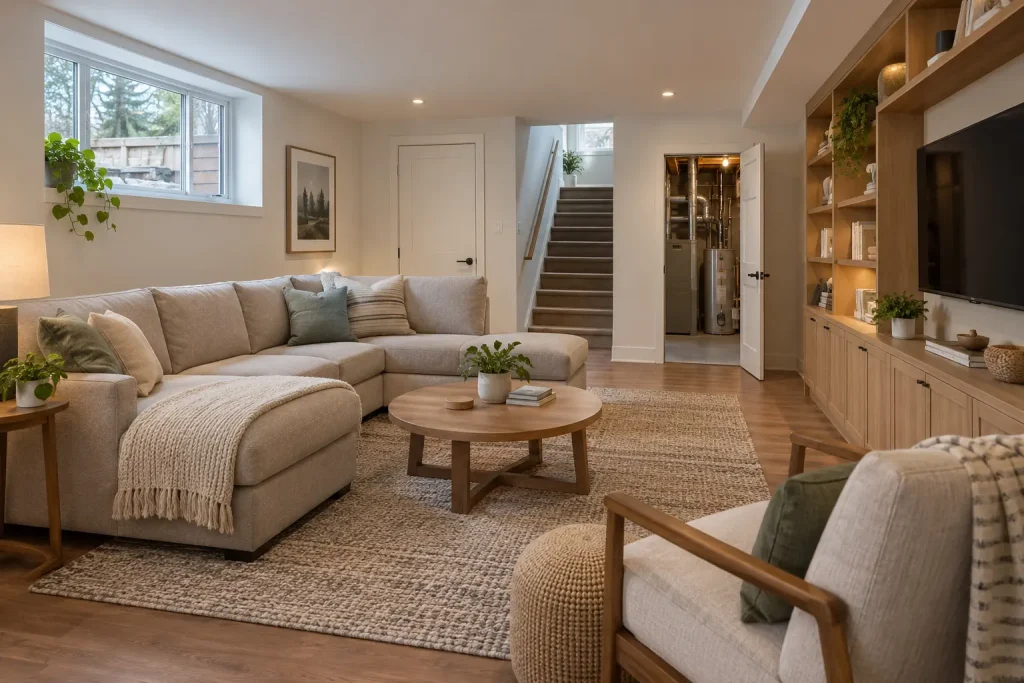
Post
A Practical Guide to Renovating a Canadian Basement
A finished basement succeeds when water, radon, insulation, structure, fire safety and escape are solved before the attractive surfaces arrive.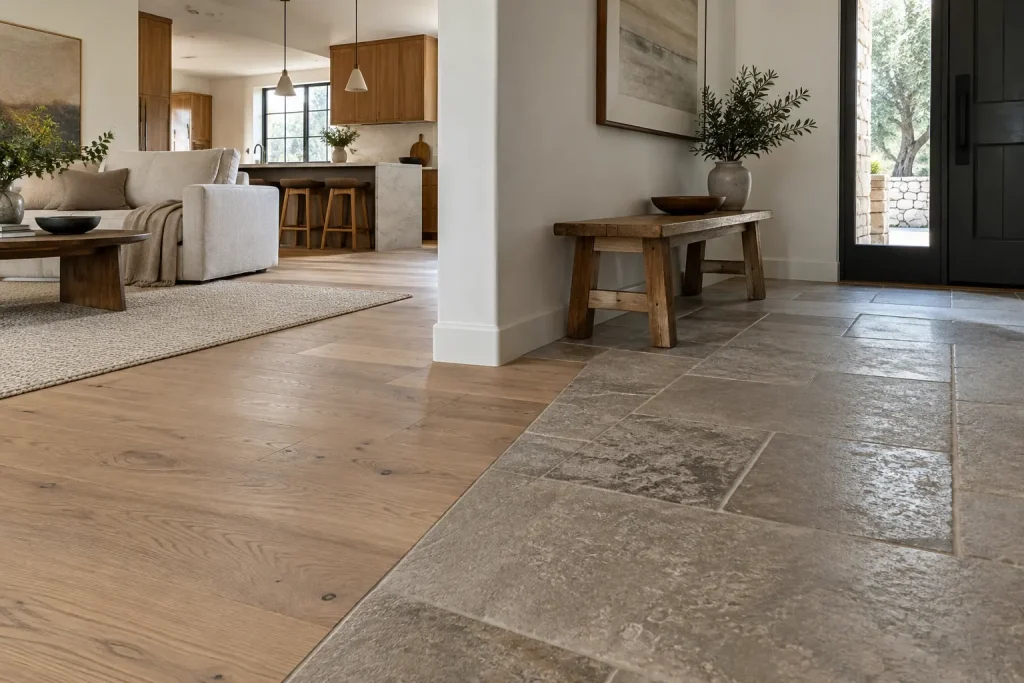
Post
How to Choose Flooring for Every Room
The right floor balances moisture, wear, comfort, maintenance, acoustics and continuity—not simply the sample that looks best under showroom lighting.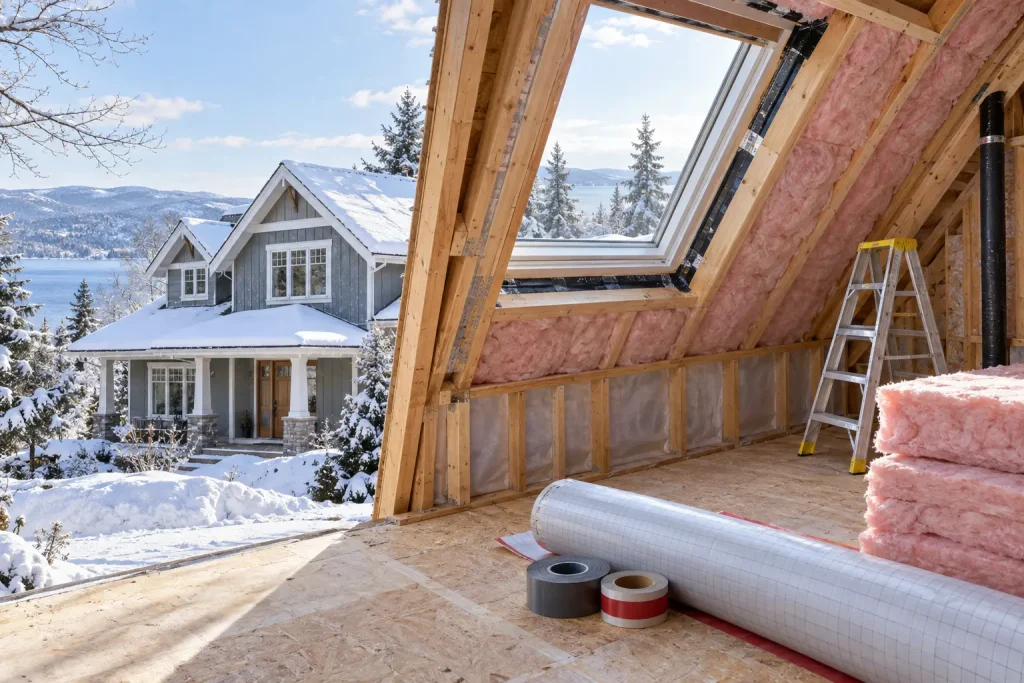
Post
Heat Pumps Explained for Canadian Homeowners
Heat pumps move heat rather than create it directly. The right Canadian system depends on climate performance, sizing, distribution, controls, backup heat…Research
Sources & further reading
- Natural Resources Canada: Energy-efficient windows and doors — https://natural-resources.canada.ca/energy-efficiency/products/windows-doors-skylights/13939
- National Building Code of Canada 2025 — https://nrc.canada.ca/en/certifications-evaluations-standards/codes-canada/codes-canada-publications/national-building-code-canada-2025