
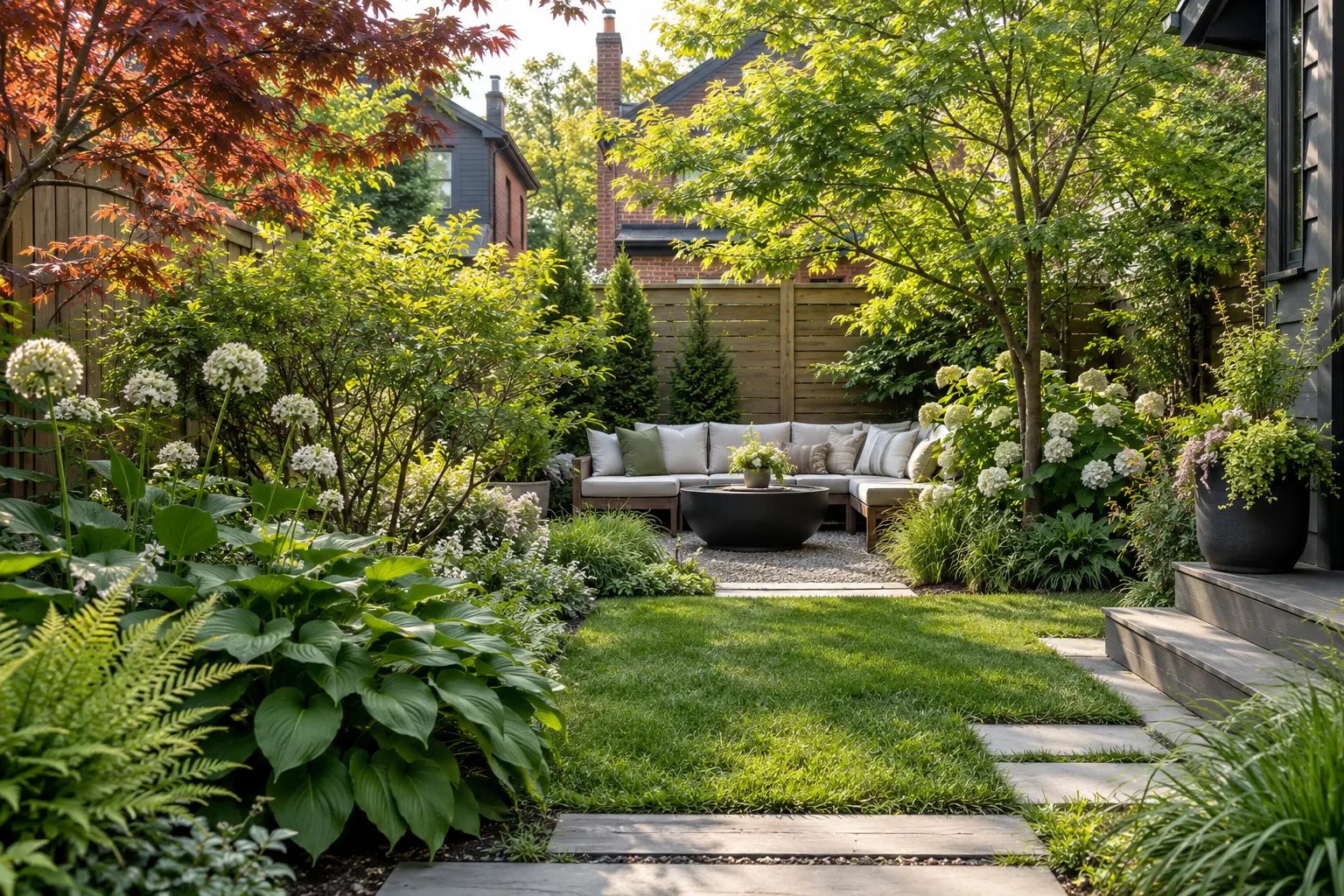
Shade is not one condition. Once the canopy, soil moisture and root competition are understood, an Ontario shade garden can be layered, colourful and richly seasonal.
How to Create a Beautiful Shade Garden in Ontario is best approached as a sequence of evidence-based decisions rather than a shopping exercise. Begin with the existing home, the people using it and the performance problem that needs to be solved. Then compare complete systems—including preparation, installation, maintenance and future repair—rather than isolated finishes. This guide is written for Canadian conditions while remaining useful wherever climate, durable construction and thoughtful living matter. It offers a framework for speaking with designers, contractors, suppliers and authorities, but it does not replace project-specific structural, electrical, plumbing, mechanical, horticultural or code advice.
Identify the kind of shade
Open shade, dappled shade, morning sun and dense dry shade support different plants. Observe leaf-out season as well as early spring, when woodland plants may receive substantial light.
Turn that principle into a written requirement. Note dimensions, existing conditions, household routines, seasonal changes and the result that would count as success. Photographs and simple measured sketches prevent the team from relying on memory. For how to create a beautiful shade garden in ontario, an attractive reference image is useful only after it has been translated into constraints that belong to the actual home.
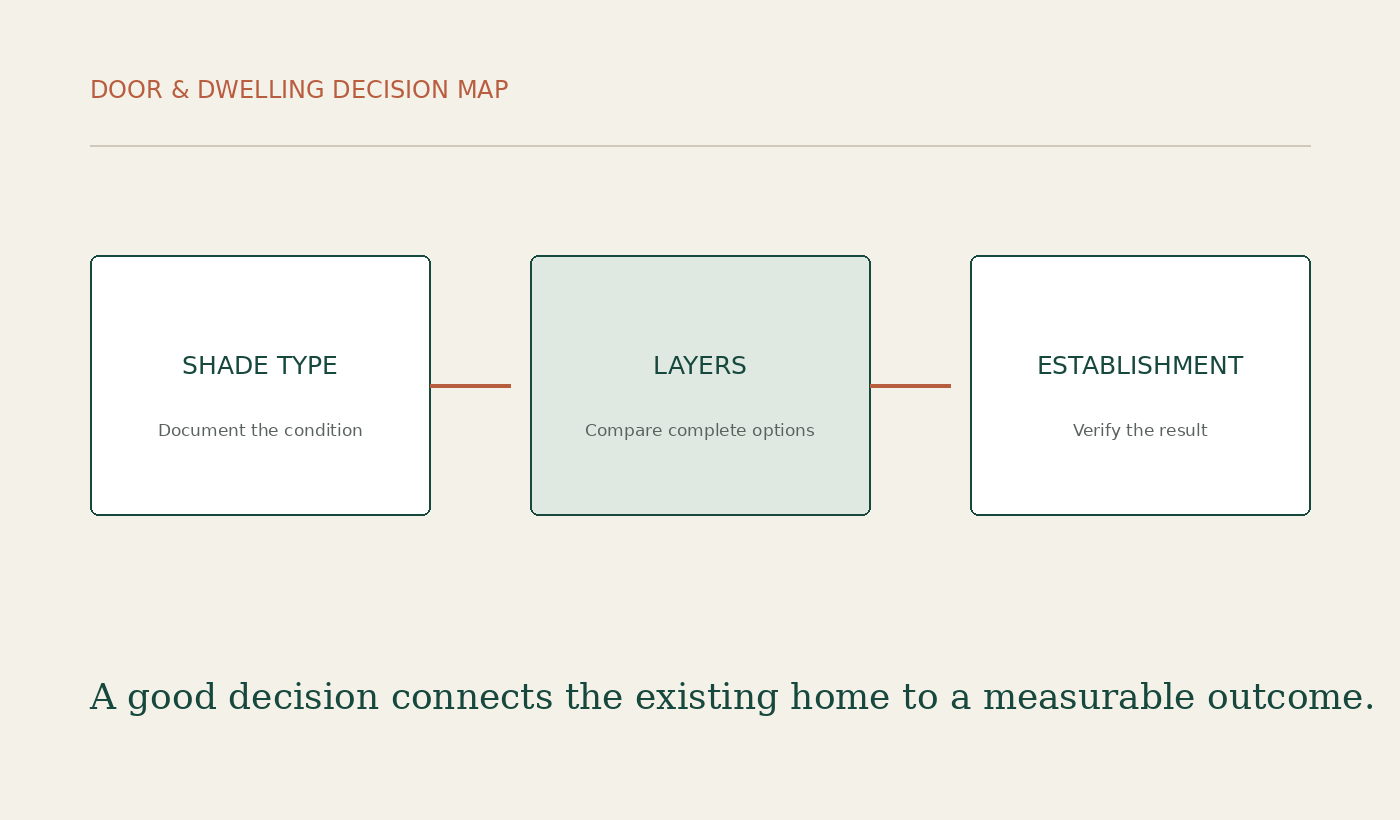
Compare options on the same page. Include purchase price, preparation, labour, associated trades, operating or cleaning needs, expected service life, repairability and disposal. Ask what is excluded and what assumption could change the price. This normalized comparison exposes proposals that look inexpensive because a necessary component has been omitted.
Mock up the decision at realistic scale whenever possible. Use painter tape, full-size samples, temporary furniture outlines or a small test area, then review it in daylight and after dark. Invite the people who clean, maintain and use the space to test the choice. A brief trial often reveals conflicts that drawings and small samples cannot show.
Before approval, identify who designs the detail, who installs it, who inspects it and who responds if the result falls short. Record model numbers, colours, dimensions and accepted substitutions. The final record should be clear enough that another professional could understand the decision without reconstructing conversations.
- Record the existing condition before choosing a product or scope.
- Compare equivalent specifications, installation and exclusions.
- Keep samples, drawings, approvals and care instructions in the project file.
Understand roots and moisture
Mature trees compete strongly for water and nutrients. Dig carefully, avoid raising soil over roots and choose plants adapted to the moisture actually available.
Turn that principle into a written requirement. Note dimensions, existing conditions, household routines, seasonal changes and the result that would count as success. Photographs and simple measured sketches prevent the team from relying on memory. For how to create a beautiful shade garden in ontario, an attractive reference image is useful only after it has been translated into constraints that belong to the actual home.
Compare options on the same page. Include purchase price, preparation, labour, associated trades, operating or cleaning needs, expected service life, repairability and disposal. Ask what is excluded and what assumption could change the price. This normalized comparison exposes proposals that look inexpensive because a necessary component has been omitted.
Mock up the decision at realistic scale whenever possible. Use painter tape, full-size samples, temporary furniture outlines or a small test area, then review it in daylight and after dark. Invite the people who clean, maintain and use the space to test the choice. A brief trial often reveals conflicts that drawings and small samples cannot show.
Before approval, identify who designs the detail, who installs it, who inspects it and who responds if the result falls short. Record model numbers, colours, dimensions and accepted substitutions. The final record should be clear enough that another professional could understand the decision without reconstructing conversations.
- Record the existing condition before choosing a product or scope.
- Compare equivalent specifications, installation and exclusions.
- Keep samples, drawings, approvals and care instructions in the project file.
Build a layered woodland structure
Use a canopy, understory shrubs, perennials, ferns, sedges and ground-layer plants. Layering makes the garden feel abundant without relying on constant flower colour.
Turn that principle into a written requirement. Note dimensions, existing conditions, household routines, seasonal changes and the result that would count as success. Photographs and simple measured sketches prevent the team from relying on memory. For how to create a beautiful shade garden in ontario, an attractive reference image is useful only after it has been translated into constraints that belong to the actual home.
Compare options on the same page. Include purchase price, preparation, labour, associated trades, operating or cleaning needs, expected service life, repairability and disposal. Ask what is excluded and what assumption could change the price. This normalized comparison exposes proposals that look inexpensive because a necessary component has been omitted.
Mock up the decision at realistic scale whenever possible. Use painter tape, full-size samples, temporary furniture outlines or a small test area, then review it in daylight and after dark. Invite the people who clean, maintain and use the space to test the choice. A brief trial often reveals conflicts that drawings and small samples cannot show.
Before approval, identify who designs the detail, who installs it, who inspects it and who responds if the result falls short. Record model numbers, colours, dimensions and accepted substitutions. The final record should be clear enough that another professional could understand the decision without reconstructing conversations.
- Record the existing condition before choosing a product or scope.
- Compare equivalent specifications, installation and exclusions.
- Keep samples, drawings, approvals and care instructions in the project file.
Design with foliage first
Leaf size, shape, sheen and tone create season-long composition. Contrast broad leaves with fine textures and repeat a few forms to move the eye through the bed.
Turn that principle into a written requirement. Note dimensions, existing conditions, household routines, seasonal changes and the result that would count as success. Photographs and simple measured sketches prevent the team from relying on memory. For how to create a beautiful shade garden in ontario, an attractive reference image is useful only after it has been translated into constraints that belong to the actual home.
Compare options on the same page. Include purchase price, preparation, labour, associated trades, operating or cleaning needs, expected service life, repairability and disposal. Ask what is excluded and what assumption could change the price. This normalized comparison exposes proposals that look inexpensive because a necessary component has been omitted.
Mock up the decision at realistic scale whenever possible. Use painter tape, full-size samples, temporary furniture outlines or a small test area, then review it in daylight and after dark. Invite the people who clean, maintain and use the space to test the choice. A brief trial often reveals conflicts that drawings and small samples cannot show.
Before approval, identify who designs the detail, who installs it, who inspects it and who responds if the result falls short. Record model numbers, colours, dimensions and accepted substitutions. The final record should be clear enough that another professional could understand the decision without reconstructing conversations.
- Record the existing condition before choosing a product or scope.
- Compare equivalent specifications, installation and exclusions.
- Keep samples, drawings, approvals and care instructions in the project file.
Choose Ontario-suitable plants
Confirm regional range, site tolerance and mature behaviour using credible Ontario references. Blend native plants with well-behaved non-invasive garden plants when appropriate to the design.
Turn that principle into a written requirement. Note dimensions, existing conditions, household routines, seasonal changes and the result that would count as success. Photographs and simple measured sketches prevent the team from relying on memory. For how to create a beautiful shade garden in ontario, an attractive reference image is useful only after it has been translated into constraints that belong to the actual home.
Compare options on the same page. Include purchase price, preparation, labour, associated trades, operating or cleaning needs, expected service life, repairability and disposal. Ask what is excluded and what assumption could change the price. This normalized comparison exposes proposals that look inexpensive because a necessary component has been omitted.
Mock up the decision at realistic scale whenever possible. Use painter tape, full-size samples, temporary furniture outlines or a small test area, then review it in daylight and after dark. Invite the people who clean, maintain and use the space to test the choice. A brief trial often reveals conflicts that drawings and small samples cannot show.
Before approval, identify who designs the detail, who installs it, who inspects it and who responds if the result falls short. Record model numbers, colours, dimensions and accepted substitutions. The final record should be clear enough that another professional could understand the decision without reconstructing conversations.
- Record the existing condition before choosing a product or scope.
- Compare equivalent specifications, installation and exclusions.
- Keep samples, drawings, approvals and care instructions in the project file.
Create a long season
Spring ephemerals, summer foliage, late flowers, berries, bark and evergreen elements can extend interest. Plan succession rather than expecting one plant to perform all year.
Turn that principle into a written requirement. Note dimensions, existing conditions, household routines, seasonal changes and the result that would count as success. Photographs and simple measured sketches prevent the team from relying on memory. For how to create a beautiful shade garden in ontario, an attractive reference image is useful only after it has been translated into constraints that belong to the actual home.
Compare options on the same page. Include purchase price, preparation, labour, associated trades, operating or cleaning needs, expected service life, repairability and disposal. Ask what is excluded and what assumption could change the price. This normalized comparison exposes proposals that look inexpensive because a necessary component has been omitted.
Mock up the decision at realistic scale whenever possible. Use painter tape, full-size samples, temporary furniture outlines or a small test area, then review it in daylight and after dark. Invite the people who clean, maintain and use the space to test the choice. A brief trial often reveals conflicts that drawings and small samples cannot show.
Before approval, identify who designs the detail, who installs it, who inspects it and who responds if the result falls short. Record model numbers, colours, dimensions and accepted substitutions. The final record should be clear enough that another professional could understand the decision without reconstructing conversations.
- Record the existing condition before choosing a product or scope.
- Compare equivalent specifications, installation and exclusions.
- Keep samples, drawings, approvals and care instructions in the project file.
Establish plants with minimal root disturbance
Start with small plants, locate pockets between major roots and water consistently during establishment. Smaller specimens often adapt more readily than forcing large holes beneath trees.
Turn that principle into a written requirement. Note dimensions, existing conditions, household routines, seasonal changes and the result that would count as success. Photographs and simple measured sketches prevent the team from relying on memory. For how to create a beautiful shade garden in ontario, an attractive reference image is useful only after it has been translated into constraints that belong to the actual home.
Compare options on the same page. Include purchase price, preparation, labour, associated trades, operating or cleaning needs, expected service life, repairability and disposal. Ask what is excluded and what assumption could change the price. This normalized comparison exposes proposals that look inexpensive because a necessary component has been omitted.
Mock up the decision at realistic scale whenever possible. Use painter tape, full-size samples, temporary furniture outlines or a small test area, then review it in daylight and after dark. Invite the people who clean, maintain and use the space to test the choice. A brief trial often reveals conflicts that drawings and small samples cannot show.
Before approval, identify who designs the detail, who installs it, who inspects it and who responds if the result falls short. Record model numbers, colours, dimensions and accepted substitutions. The final record should be clear enough that another professional could understand the decision without reconstructing conversations.
- Record the existing condition before choosing a product or scope.
- Compare equivalent specifications, installation and exclusions.
- Keep samples, drawings, approvals and care instructions in the project file.
Paths, seating and borrowed views
A narrow path, a bench and framed view give purpose to shade. Use stable, permeable surfaces and keep construction away from critical roots.
Turn that principle into a written requirement. Note dimensions, existing conditions, household routines, seasonal changes and the result that would count as success. Photographs and simple measured sketches prevent the team from relying on memory. For how to create a beautiful shade garden in ontario, an attractive reference image is useful only after it has been translated into constraints that belong to the actual home.
Compare options on the same page. Include purchase price, preparation, labour, associated trades, operating or cleaning needs, expected service life, repairability and disposal. Ask what is excluded and what assumption could change the price. This normalized comparison exposes proposals that look inexpensive because a necessary component has been omitted.
Mock up the decision at realistic scale whenever possible. Use painter tape, full-size samples, temporary furniture outlines or a small test area, then review it in daylight and after dark. Invite the people who clean, maintain and use the space to test the choice. A brief trial often reveals conflicts that drawings and small samples cannot show.
Before approval, identify who designs the detail, who installs it, who inspects it and who responds if the result falls short. Record model numbers, colours, dimensions and accepted substitutions. The final record should be clear enough that another professional could understand the decision without reconstructing conversations.
- Record the existing condition before choosing a product or scope.
- Compare equivalent specifications, installation and exclusions.
- Keep samples, drawings, approvals and care instructions in the project file.
Manage leaves, weeds and invasive plants
Retain a light leaf layer where appropriate, edit aggressive spreaders and remove invasive seedlings early. Naturalistic does not mean unmanaged.
Turn that principle into a written requirement. Note dimensions, existing conditions, household routines, seasonal changes and the result that would count as success. Photographs and simple measured sketches prevent the team from relying on memory. For how to create a beautiful shade garden in ontario, an attractive reference image is useful only after it has been translated into constraints that belong to the actual home.
Compare options on the same page. Include purchase price, preparation, labour, associated trades, operating or cleaning needs, expected service life, repairability and disposal. Ask what is excluded and what assumption could change the price. This normalized comparison exposes proposals that look inexpensive because a necessary component has been omitted.
Mock up the decision at realistic scale whenever possible. Use painter tape, full-size samples, temporary furniture outlines or a small test area, then review it in daylight and after dark. Invite the people who clean, maintain and use the space to test the choice. A brief trial often reveals conflicts that drawings and small samples cannot show.
Before approval, identify who designs the detail, who installs it, who inspects it and who responds if the result falls short. Record model numbers, colours, dimensions and accepted substitutions. The final record should be clear enough that another professional could understand the decision without reconstructing conversations.
- Record the existing condition before choosing a product or scope.
- Compare equivalent specifications, installation and exclusions.
- Keep samples, drawings, approvals and care instructions in the project file.
A three-year establishment plan
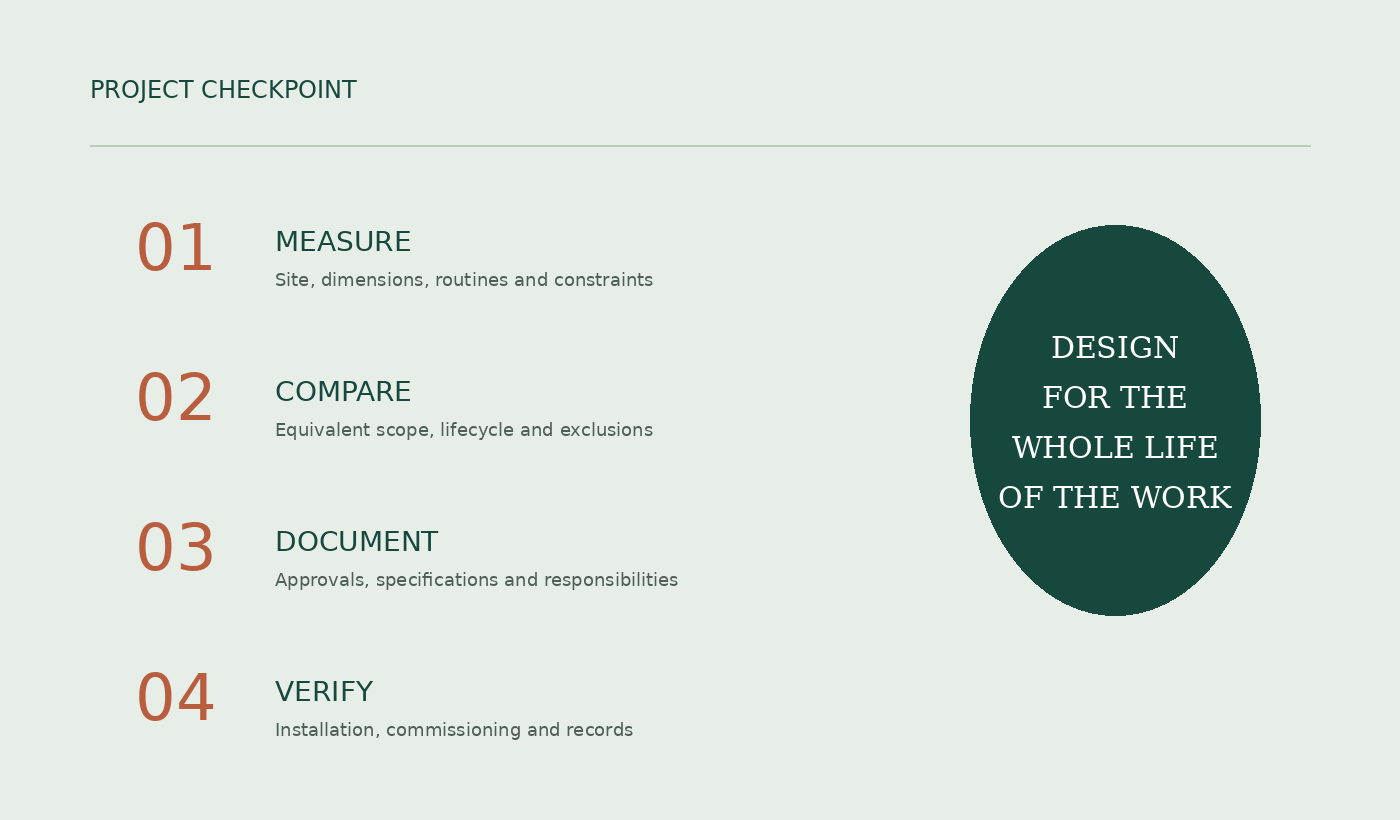
Year one focuses on survival and watering; year two closes gaps; year three edits density and repetition. Photograph each season so changes are based on evidence rather than memory.
Turn that principle into a written requirement. Note dimensions, existing conditions, household routines, seasonal changes and the result that would count as success. Photographs and simple measured sketches prevent the team from relying on memory. For how to create a beautiful shade garden in ontario, an attractive reference image is useful only after it has been translated into constraints that belong to the actual home.
Compare options on the same page. Include purchase price, preparation, labour, associated trades, operating or cleaning needs, expected service life, repairability and disposal. Ask what is excluded and what assumption could change the price. This normalized comparison exposes proposals that look inexpensive because a necessary component has been omitted.
Mock up the decision at realistic scale whenever possible. Use painter tape, full-size samples, temporary furniture outlines or a small test area, then review it in daylight and after dark. Invite the people who clean, maintain and use the space to test the choice. A brief trial often reveals conflicts that drawings and small samples cannot show.
Before approval, identify who designs the detail, who installs it, who inspects it and who responds if the result falls short. Record model numbers, colours, dimensions and accepted substitutions. The final record should be clear enough that another professional could understand the decision without reconstructing conversations.
- Record the existing condition before choosing a product or scope.
- Compare equivalent specifications, installation and exclusions.
- Keep samples, drawings, approvals and care instructions in the project file.
Sources and further reading
Codes, programs, prices and product specifications can change. Confirm current requirements with the relevant authority and qualified project professionals.
Continue exploring
Related from Door & Dwelling
Post
A Practical Guide to Native Plants for Ontario Gardens
Choose Ontario native plants by ecoregion, site conditions, mature size and the habitat functions your garden can support.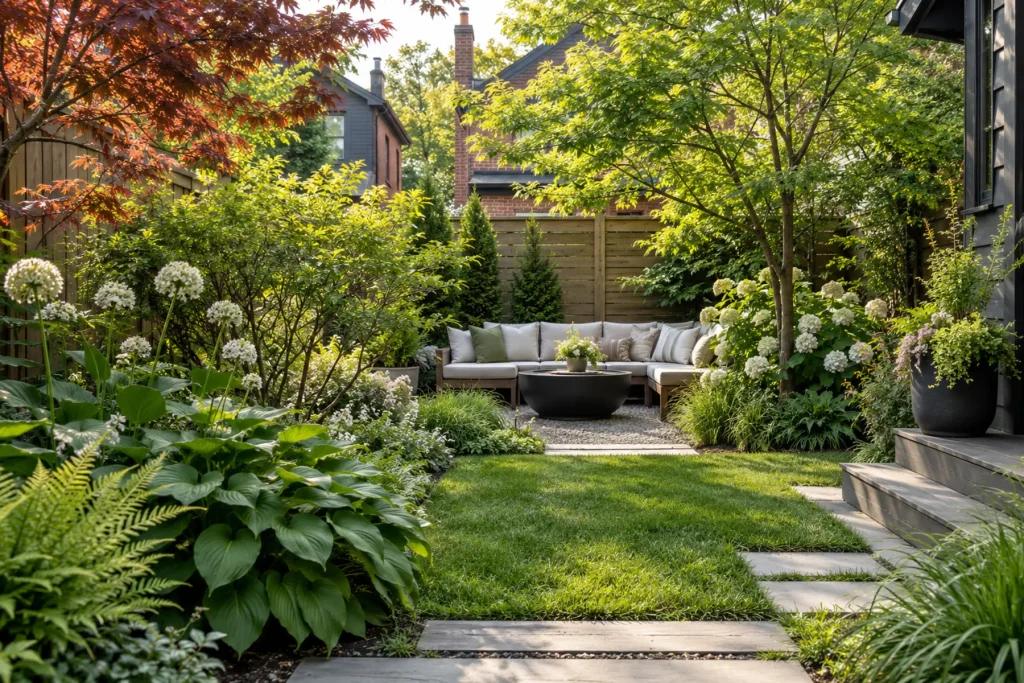
Post
How to Design a Small Garden That Feels Generous
Make a compact garden feel larger through clear structure, layered planting, controlled views and useful destinations.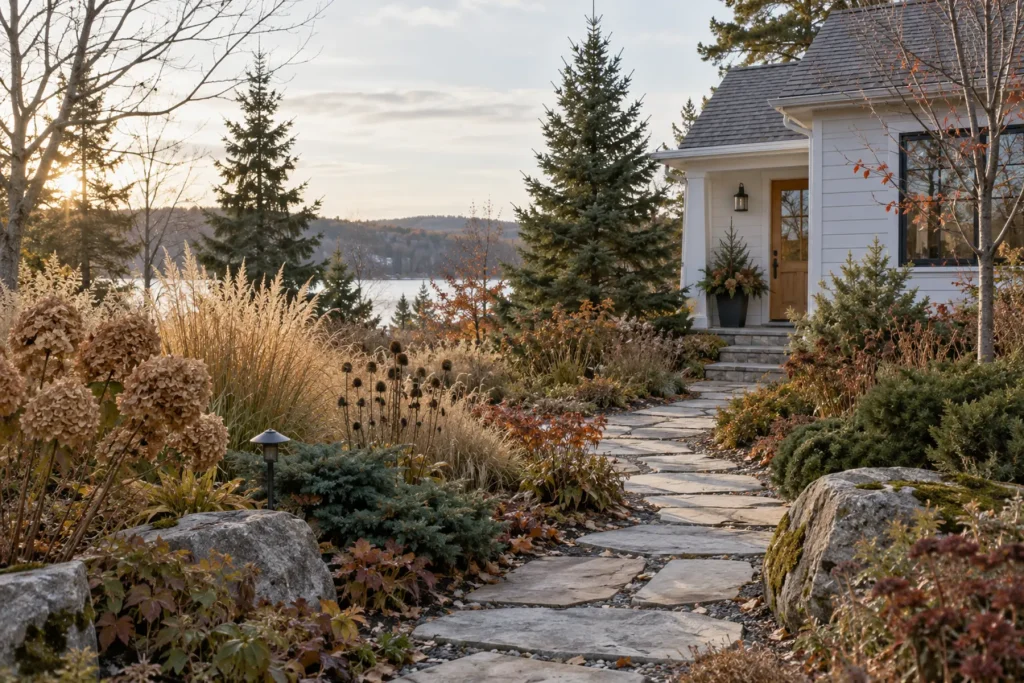
Post
A Canadian Guide to Creating a Four-Season Garden
A four-season garden is designed as much for winter structure, spring emergence and autumn change as it is for summer bloom.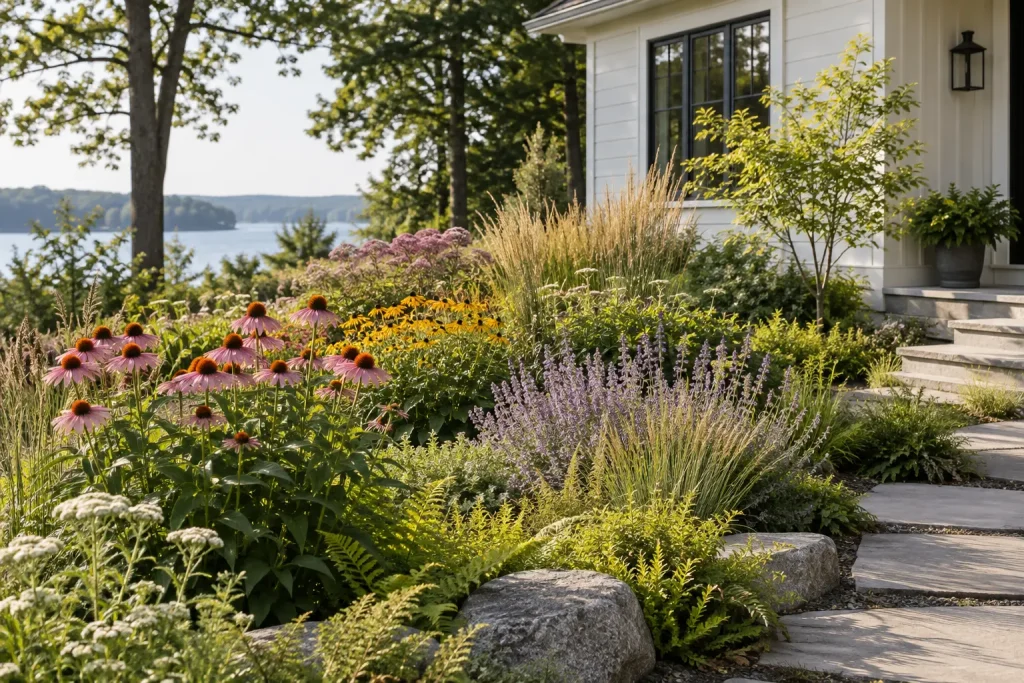
Post
How to Design a Low-Maintenance Front Garden in Ontario
Low maintenance is designed, not purchased. A resilient front garden starts with site conditions, fewer stronger plant communities and clear edges that…
Post
How to Choose Paint Colours for an Entire Home
Build a connected whole-home paint palette by considering light, sight lines, fixed materials and the purpose of each room.
Post
Why Natural Light Changes the Way a Home Feels
Natural light influences comfort, colour, energy use and the rhythm of rooms throughout the day.Research
Sources & further reading
- Government of Ontario: Tree Atlas — https://www.ontario.ca/page/tree-atlas
- Government of Ontario: Dog-strangling vine — https://www.ontario.ca/page/dog-strangling-vine